A concrete mix ratio is a proportionate combination of cement, sand, and aggregate (gravel or crushed stone) used to create concrete. The ratio determines the strength, workability, and durability of the concrete.
It is typically expressed in terms of the relative volumes of each component, such as 1:2:3 (cement:sand:aggregate).
The right concrete mix ratio is key to ensuring lasting quality in your home improvements. This guide will walk you through understanding, selecting, and using the ideal concrete mix ratio for your specific project needs.
Understanding Concrete Mix Ratios
Concrete is made of four main components: cement, sand, gravel, and water. The mix ratio defines the proportion of these components and determines the concrete’s strength, durability, and workability. Ratios are typically expressed in the order of cement: sand
How Mix Ratios Affect Concrete Strength
A higher ratio of cement increases the strength but may reduce workability. Likewise, too much sand or gravel can make concrete weaker. Getting the right mix ensures that your concrete will be resilient and suitable for the intended purpose.
MPa (Megapascals) strength of concrete refers to the compressive strength of concrete, measured in megapascals (MPa) after 28 days of curing. It indicates how much force the concrete can withstand per square millimeter before failing.

Common Concrete Strength Grades (MPa)
-
5 MPa (M5) – Lean mix for non-load-bearing work (e.g., filling, leveling).
-
7.5 MPa (M7.5) – Light-duty applications like garden paths.
-
10 MPa (M10) – Basic PCC work (e.g., flooring, pathways).
-
15 MPa (M15) – General foundations, footings.
-
20 MPa (M20) – Residential slabs, beams, driveways.
-
25 MPa (M25) – Standard RCC structures, columns, heavy-duty flooring.
-
30 MPa+ (M30 – M60) – High-strength concrete used in bridges, skyscrapers, and industrial applications.
The higher the MPa, the stronger the concrete. Strength is influenced by factors like mix ratio, curing conditions, water-cement ratio, and aggregate quality.
Common Types of Concrete Mix Ratios and Their Uses
Concrete mix ratios determine the strength, durability, and application of concrete in construction projects. These ratios represent the proportion of cement: sand: aggregates in the mix. Below is a guide to common concrete mix ratios, their uses, and their corresponding strength classifications.
1. Nominal Mix Ratios (Prescribed Mix)
Nominal mixes are pre-defined ratios used for general construction without requiring lab tests.
1:5:10 Ratio (M5 – 5 MPa)
1:4:8 Ratio (M7.5 – 7.5 MPa)
-
Use: Ideal for non-load-bearing structures, lightweight concrete applications, garden paths, and patios.
1:3:6 Ratio (M10 – 10 MPa)
1:2:4 Ratio (M15-M20 – 15-20 MPa)
1:1.5:3 Ratio (M20 – 20 MPa)
1:1:2 Ratio (M25 – 25 MPa)
2. Design Mix Ratios (Custom Strength Mixes)
Beyond nominal mixes, M30 and above are design mixes determined through lab tests. These mixes are used for:
-
M30 – M40: Skyscrapers, high-rise buildings, reinforced concrete structures.
-
M50 – M60+: Bridges, dams, high-load industrial structures.
Key Takeaways
-
Lower ratios (1:5:10, 1:4:8, etc.) are used for non-load-bearing applications.
-
Mid-range ratios (1:3:6, 1:2:4, etc.) work well for general construction.
-
Higher ratios (1:1.5:3, 1:1:2, etc.) provide strength for load-bearing and structural elements.
These ratios can be adjusted based on environmental conditions, cement type, and specific project requirements. Understanding the right concrete mix ensures durability, safety, and cost-efficiency in construction.
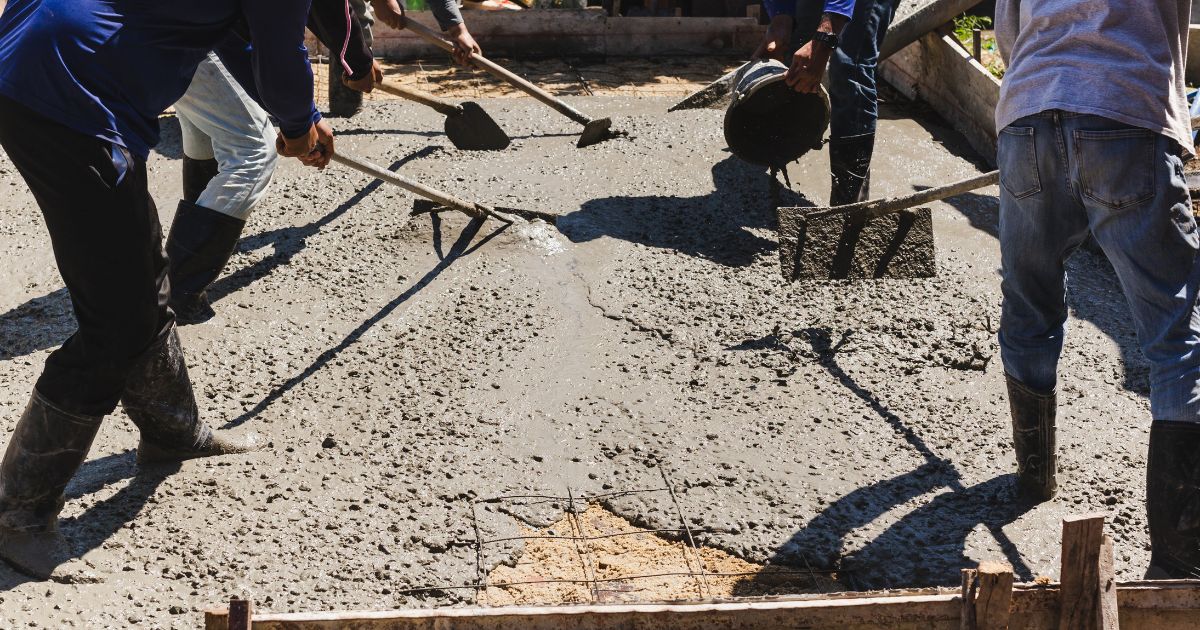
How to Choose the Right Concrete Mix Ratio
When deciding on a mix ratio, it’s important to think about:
- Project Type: Some projects, like foundations, require more robust mixes than others.
- Climate: In areas with freeze-thaw cycles, a stronger mix with good resistance is important.
- Load-Bearing Requirements: Heavier projects, like driveways, need a stronger mix.
- Local building codes: Local regulations mandate specific concrete mix requirements for construction projects within the city to ensure safety and compliance with regulatory standards.
If you’re unsure, consider consulting with a professional for they have the technical knowledge and are familiar with local building codes, which often set the correct guidelines for safe concrete mixes.
What Factors Influencing Concrete Mix Design?
Concrete mix design is a process that involves determining the proportions of cement, aggregates, water, and admixtures to achieve the desired properties in fresh and hardened concrete.
Several factors influence the design of a concrete mix:
1. Strength Requirements
- The required compressive strength of the concrete is the primary factor in mix design.
- The water-cement ratio is adjusted to achieve the target strength, as lower water-cement ratios generally yield higher strengths.
2. Workability
- Workability depends on the ease with which concrete can be mixed, transported, placed, and compacted.
- Slump and flow tests are used to measure workability.
- Factors affecting workability include aggregate size, shape, and texture, as well as water content and admixtures.
3. Durability
- The concrete must resist environmental conditions such as freeze-thaw cycles, sulfate attacks, and chloride-induced corrosion.
- Durability requirements may necessitate the use of supplementary cementitious materials like fly ash or silica fume.
4. Exposure Conditions
- Environmental exposure conditions (e.g., marine environments, aggressive chemicals) influence the mix design.
- These conditions often dictate minimum cement content, maximum water-cement ratio, and the use of protective admixtures.
5. Aggregate Characteristics
- Type, size, and grading: Coarse and fine aggregates must be well-graded to minimize void content and reduce cement consumption.
- Shape and texture: Rounded aggregates improve workability, while angular aggregates provide better bonding.
- Specific gravity and absorption: These affect the proportioning of materials.
6. Cement Type
- Different types of cement (e.g., Ordinary Portland Cement, Rapid Hardening Cement, Sulfate Resisting Cement) impact setting time, strength gain, and durability.
7. Water-Cement Ratio
- A crucial factor that influences strength, durability, and workability.
- Lower ratios improve strength and durability but may reduce workability.
8. Admixtures
- Chemical admixtures (e.g., superplasticizers, retarders, accelerators) can modify the properties of concrete, improving workability, reducing water content, or adjusting setting times.
- Mineral admixtures like fly ash, GGBS, and silica fume can enhance durability, reduce heat of hydration, and improve workability.
9. Concrete Density
- The required density for specific applications (e.g., lightweight concrete for structures or high-density concrete for radiation shielding) influences the material proportions.
10. Temperature and Setting Time
- Ambient temperature affects the setting time and workability of concrete.
- Retarders or accelerators may be used to modify setting time under extreme weather conditions.
11. Economy
- Cost-effectiveness is a key consideration.
- Optimization of material proportions, including the use of locally available materials, can reduce costs without compromising performance.
12. Special Requirements
- Requirements such as resistance to wear, thermal insulation, or specific aesthetic features may influence the choice of materials and mix proportions.
Proper consideration of these factors ensures a concrete mix that meets both structural and durability requirements for its intended use.
Common Mistakes to Avoid with Concrete Mix Ratios
- Over-Watering: Too much water can lead to weak, crumbly concrete.
- Incorrect Measurements: Skipping accurate measurements can lead to inconsistent and unreliable concrete.
- Skipping the Curing Process: Allowing concrete to cure slowly improves its strength. Cover it or mist it with water for at least a week.
Frequently Asked Questions (FAQ)
What is the strongest concrete mix ratio?
A 1:1.5:3 mix ratio provides high strength and is ideal for load-bearing applications like driveways and garage floors.
Can I use different mix ratios for the same project?
It’s best to stick to one mix ratio for consistency. Using different ratios can lead to variations in strength and durability.
How long should concrete cure before use?
Concrete reaches most of its strength within 7 days but continues curing for up to 28 days. Ideally, let it cure for at least a week before applying significant weight.
Is it better to mix concrete by hand or with a mixer?
For small projects, mixing by hand works well. For larger jobs, a concrete mixer is more efficient and ensures consistency.