A concrete finish refers to the final surface texture or appearance given to concrete after it has been poured and set. Types include polished, stamped, stained, exposed aggregate, trowel, broom, salt, and colored finishes.
Concrete finishes play a crucial role in modern construction, offering both aesthetic appeal and functional benefits.
This guide covers the 10 most common concrete finishes. We’ll look at their unique features, uses, and what to think about when picking the right one for your project.
Choosing the right finish depends on where it’s used and how it’s maintained. Busy areas need strong finishes. This guide helps you pick the best finish for your needs.
Basic Principles of Concrete Finishing
In modern construction, the concrete finish is key. It affects both the structure’s strength and its look. From the glossy F1 finish to the rough F4, each has its own benefits and challenges. Concrete finishing makes the surface look and work as needed. Techniques like troweling and floating smooth out the surface. Brushing, on the other hand, adds texture.
Impact on Structural Integrity
The finish you choose can affect a structure’s strength. For example, F4’s texture boosts slip resistance and durability. Meanwhile, F1’s smoothness is perfect for sleek, polished looks.
Aesthetic and Functional Considerations
The finish also shapes the project’s look and use. F1, F2, F3, and F4 concrete finishes each bring unique looks and uses.
Understanding F1, F2, F3, and F4 Concrete Finishes
The F1, F2, F3, and F4 designations refer to architectural concrete finishes as defined by CSA A23.1 (Canadian Standards Association). These classifications are used mainly in structural concrete (walls, columns, slabs) rather than decorative or functional surface finishes like those mentioned earlier.
Here’s a breakdown:
| Finish |
Description |
Typical Use |
| F1 (Basic) |
Rough, no special treatment beyond normal formwork removal. |
Hidden structural concrete (e.g., footings, foundations, backfilled walls). |
| F2 (Standard) |
Moderate quality, minor formwork defects allowed, some patching. |
Concrete surfaces that will be covered (e.g., walls to be plastered or cladded). |
| F3 (Smooth Architectural) |
High-quality surface with minimal defects, uniform appearance. |
Exposed concrete in buildings, visible structural elements. |
| F4 (High-End Architectural) |
Premium finish with strict tolerances, smooth and visually appealing. |
High-end projects (e.g., museums, luxury buildings, architectural concrete walls). |

How Do These Differ from the Decorative Finishes?
- F1–F4 finishes are structural classifications, mostly dealing with formwork quality and surface smoothness.
- Decorative finishes (e.g., stamped, polished, stained) focus on aesthetics and function for exposed concrete surfaces.
- Epoxy, coatings, and stains are surface treatments applied after concrete has cured, while F1–F4 are determined at the pouring/formwork stage.
Real-World Application
- If you’re working on a driveway, patio, or indoor floor, you’d choose decorative finishes (e.g., polished, stamped, stained).
- If you’re dealing with a concrete wall or column, an F3 or F4 finish might be specified for a smooth, architectural appearance.
The Importance of Selecting the Right Concrete Finish
Choosing the right concrete finish is more than just about looks. It affects how long it lasts, how safe it is, and how useful it is. A bad choice for a concrete finish for driveway or concrete finish for outdoor areas can cause problems like cracks, stains, or slippery spots. For example, a smooth finish might not last long in busy areas, but a textured one might be better for heavy use.
- Bad finishes can lead to expensive fixes and safety hazards like slipping or damage.
- Using the wrong materials can make it fail to stand up to the weather, needing early replacement.
- Not matching the finish to the look you want can lower your property’s value and appeal.
| Factor |
Impact |
| Environment |
Freeze-thaw cycles require durable finishes for driveways |
| Usage |
High-traffic areas need wear-resistant options |
| Climate |
Hot climates demand UV-resistant coatings |
| Aesthetics |
Concrete stain choices affect outdoor area visual appeal |
A concrete stain on driveways or patios can make them look better but needs the right seal to avoid fading. Matching the finish to the area’s use ensures it looks good and works well. Ignoring this can mean constant upkeep or dangerous conditions. By focusing on these points, a concrete surface becomes a reliable, lasting feature of any property.
Understanding Different Types of Concrete Finishes
Concrete finishes come in many styles and uses. Knowing the basics helps everyone pick the right one for their needs.
Smooth vs. Textured Finishes
Smooth finishes are great for places like kitchens and bathrooms. They look sleek. On the other hand, stamped concrete adds grip and style outside. It’s safer in wet or icy weather.
- Smooth: Polished concrete, troweled finishes
- Textured: Broom finishes, stamped concrete, exposed aggregate
Decorative vs. Functional Finishes
Decorative finishes make things look good. Acid staining and dyed concrete add color without changing the structure. Functional finishes, like textured ones, focus on safety and durability.
| Finish Type |
Use Case |
Key Feature |
| Stamped Concrete |
Patios, driveways |
Patterned appearance mimicking brick or stone |
| Acid Staining |
Indoor/Outdoor |
Translucent coloring via chemical reaction |
| Dyed Concrete |
Commercial floors |
Solid color penetration during placement |
Factors Affecting Finish Selection
The weather affects what you choose. In cold places, textured finishes stop slips. Busy areas might need tough options like dyed concrete. What you like to look at also plays a part.
Cost Considerations for Various Finishes
Prices differ a lot. Stamped concrete can be 20-40% pricier than usual. Acid staining is mid-range, while dyed concrete is more expensive. But, finishes like sealed dyed concrete save money in the long run because they’re easy to keep up.
Popular Indoor Concrete Floor Finishes
Indoor concrete floors get a personal touch with popular indoor concrete floor finishes. The polished finish is a modern hit. It’s smooth and shiny, perfect for busy places like shops.
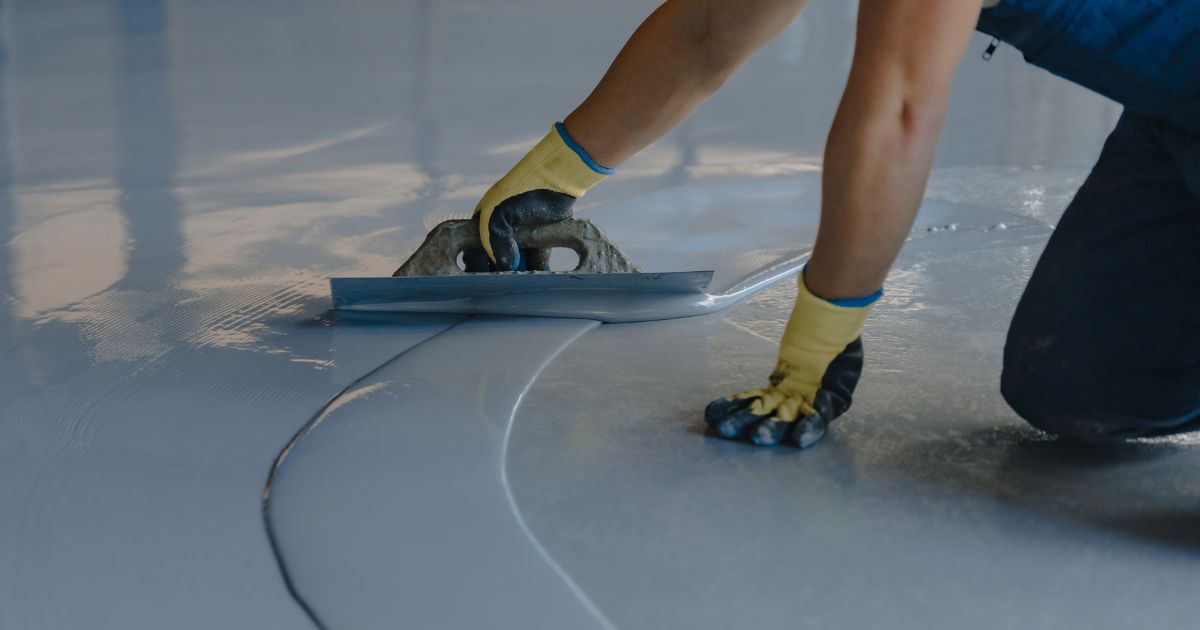
Epoxy coating is great for durability, making it perfect for garages and workshops. For a unique look, try acid staining or dyed concrete. Each option combines beauty with practicality.
| Finish Type |
Key Benefits |
Common Uses |
Maintenance Tips |
| Polished Finish |
Low maintenance, slip-resistant |
Commercial kitchens, office lobbies |
Monthly sweeping, annual sealing |
| Epoxy Coating |
Impact-resistant, color customizable |
Home workshops, industrial floors |
Avoid abrasive cleaners |
| Acid Staining |
Natural stone-like effects |
Living rooms, entryways |
Protect from oil spills |
| Dyed Concrete |
Permanent color penetration |
Residential floors, spa areas |
Use pH-balanced cleaners |
Think about concrete stain for different looks. Choose based on the space’s use and care needs. Prices vary, with epoxy costing $4–$10 per sq. ft. and dyed concrete depending on color.
Choose materials that last. Good installation keeps your floors looking great for years.
Outdoor Concrete Finishes for High-Traffic Areas
Outdoor concrete needs finishes that look good and last long. For places like driveways and patios, the right finish is key. It keeps them safe and looking good for a long time. Here are some top picks for different areas.
Driveway Concrete Finish Options
Driveways must be slip-resistant and strong. A broom finish has grooves to stop slipping. A troweled finish is smooth and easy to keep clean. Stamped concrete makes driveways look like stone or brick.
The finish must handle hot and cold weather and heavy vehicles.
Patio and Pool Deck Finishes
Patios and pool decks need finishes that are safe near water. A salt finish is textured and slip-resistant. Colored finishes like earth tones or soft shades make patios look nice.
Stamped concrete or swirl finish can make pool areas look like part of the landscape.
Walkway and Landscaping Solutions
Walkways are better with swirl finish patterns that help guide people. Exposed aggregate or colored finishes make garden paths interesting. The finish should match the natural look of the area.
Weather-Resistant Finish Considerations
- Broom finish and salt finish help prevent ice in cold weather.
- Colored finish stays bright with UV protection.
- Stamped concrete and troweled finish need space between joints to avoid cracks.
Choosing the right finish for your area’s weather helps it last longer and stay safe.
Conclusion
Choosing the right concrete finish starts with knowing what your project needs. Different finishes are best for different uses. For example, outdoor areas need strong finishes that can handle weather and wear.
Indoor spaces focus on looks and function. Polished concrete is sleek, while stained or patterned designs add style. Decorative finishes like stamped or colored concrete add a personal touch without losing practicality.
Think about how long the finish will last and how much upkeep it needs. Quality finishes may need regular care, like sealing or cleaning. But they also mean fewer repairs over time.
It’s all about finding a balance between looks and practicality. Whether it’s for outdoor durability or indoor style, making the right choice means a surface that lasts and looks great. By picking the perfect finish, you get a space that’s both beautiful and reliable.
FAQ
What is the best finish for indoor concrete floors?
For indoor floors, polished finishes are top-notch. They offer a smooth, shiny surface that’s easy to keep clean. You can also consider epoxy coatings for toughness, acid staining for a unique look, or dyed concrete for bright colors.
How does epoxy coating benefit concrete floors?
Epoxy coating makes floors very durable and resistant to chemicals. It’s perfect for busy areas like garages and basements. Plus, it makes the floors look better.
What is acid staining, and how does it work?
Acid staining gives floors a rich, marbled look by reacting with the concrete’s minerals. This method creates a unique finish that can’t be copied, making each floor special.
What are the popular options for outdoor concrete areas?
Outdoor favorites include stamped concrete, which looks like stone or brick. Exposed aggregate finishes are great for grip, and salt finishes add texture, perfect for pool decks.
What type of finish is best for a driveway?
Driveways do well with broom finishes for their slip-resistance and toughness. Exposed aggregate and stamped concrete are also good for strength and looks.
Why is slip resistance important for outdoor concrete finishes?
Slip resistance is key for safety, especially where it’s wet. Finishes like broom, salt, and exposed aggregate help prevent falls on outdoor areas.
What maintenance do I need for polished concrete floors?
Polished floors need little upkeep. Just clean them regularly to keep them shiny. Use the right cleaners and avoid harsh tools to keep the shine.
How can I extend the lifespan of my concrete finish?
To make your concrete last longer, keep it clean and sealed. Fix small problems early to avoid big repairs later.
What factors should I consider when selecting a concrete finish?
Think about the floor’s use, slip safety, looks, weather, and upkeep when picking a finish. This helps choose the right one for your space.