Choosing the right driveway material is a big decision. You need to think about the pros and cons of concrete, asphalt, and pavers. Each one affects how long it lasts, how much work it needs, and your budget.
It’s important to consider your local climate, how much traffic your driveway gets, and how it looks. This helps you pick the best option for your home.
Overview of Driveway Materials
- Concrete – Strong and durable, handles heavy loads but may crack in cold weather. Customizable with stamps and stains.
- Asphalt – Affordable and flexible, requires sealing for longevity. Handles freeze-thaw cycles better than concrete.
- Pavers – Attractive and easy to repair. Ideal for cold climates due to flexibility but has a higher initial cost.
Key Considerations for Driveway Selection
- Drainage: Permeable pavers and gravel prevent water buildup.
- Cold Weather: Pavers and asphalt adapt well to freeze-thaw cycles.
- Heavy Vehicles: Reinforced concrete and properly installed pavers provide the best load support.
- Sloping Driveways: Textured pavers, gravel with stabilizers, or reinforced asphalt prevent erosion.
Cost and Maintenance
- Cheapest Options: Gravel, recycled asphalt, and compacted crushed stone.
- Low-Maintenance Choices: Concrete (if sealed), pavers with polymeric sand, and permeable pavers.
- Longevity: Concrete lasts 30–50 years, pavers over 50 years, asphalt 15–20 years with upkeep.
Eco-Friendly Driveway Materials
- Recycled asphalt and crushed stone – Budget-friendly and sustainable.
- Permeable pavers – Reduce runoff and allow natural drainage.
- Gravel – Affordable with good water absorption, ideal for sloped areas.
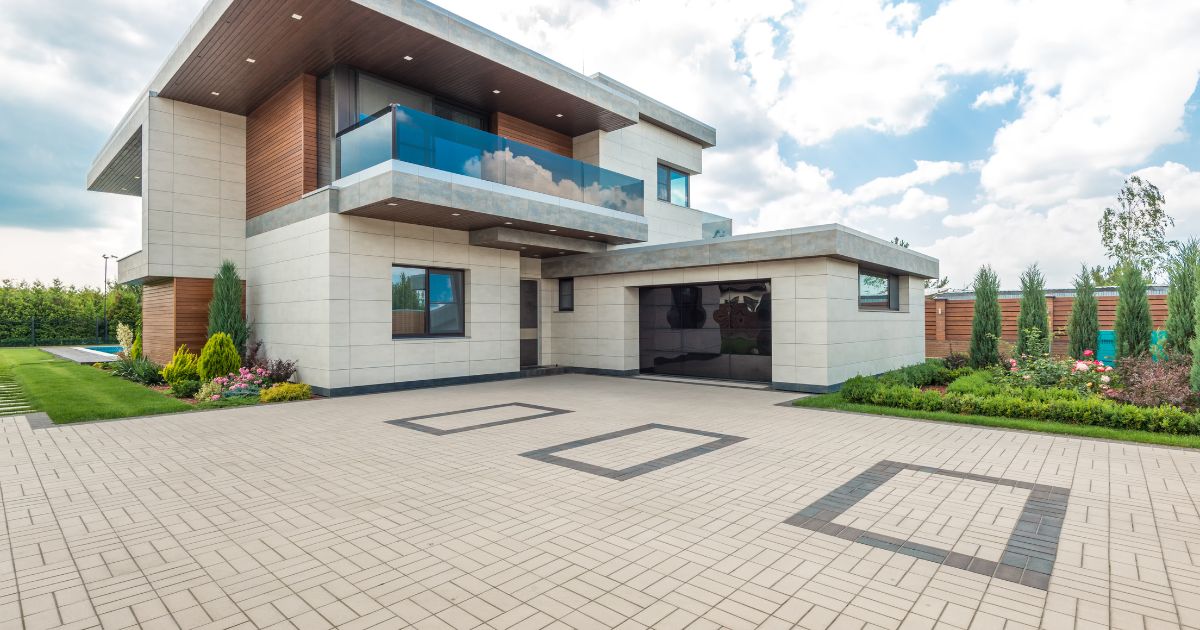
Comparing Performance: Concrete vs Asphalt vs Pavers
When for cold weather, it’s key to look at how each holds up. Concrete, asphalt, and pavers each have their own good points and not-so-good points.
For extreme weather and heavy vehicles, the ideal driveway material must be strong, flexible, and resistant to temperature changes. Here are the best options:
- Reinforced Concrete
- Strengthened with steel fibers to prevent cracks.
- Ideal for trucks and commercial vehicles.
- Resists frost heaves, making it suitable for freeze-thaw cycles.
- Permeable Interlocking Concrete Pavers (PICP)
- Allows water drainage, reducing foundation damage.
- Distributes weight evenly, preventing cracks from heavy loads.
- Best for rainy areas and climates with frequent freezing.
- Asphalt with Polymer Additives
- Stays flexible in cold weather, preventing brittle cracks.
- May develop ruts under heavy vehicles but lasts longer with a strong crushed stone base.
Key Considerations:
- Look for ASTM D6484 standards to ensure load resistance.
- Consult local contractors for recommendations based on climate conditions.
Eco-Friendly & Sustainable Driveway Material Options
Homeowners who care about the planet look for driveway materials that are kind to the environment. These options are good for the planet because they reduce waste and use less energy. They also last a long time. Here are some top picks that meet today’s green building standards.
Recycled Asphalt and Compacted Crushed Stone
- Recycled asphalt turns old road materials into something new, cutting down landfill waste by up to 40%.
- Compacted crushed stone uses local materials, which means less carbon emissions from transport.
- Both are strong enough for heavy vehicles but are better for the planet.
Gravel
Gravel is a tough, easy-to-care-for choice. Its surface lets water soak in, which is great for best material for sloping driveways in rainy areas. It’s also good for places with steep slopes because it doesn’t need expensive grading.
Innovative Green Materials
- Permeable pavers soak up water, cutting down stormwater runoff by 30%.
- Solar-reflective coatings on asphalt help keep cities cooler by reflecting the sun’s rays.
- Recycled plastic composites, like those from mix recycled materials with lasting strength.
Best Driveway Materials for Sloping Driveways
Sloping driveways need materials that are both affordable and strong.
Gravel is cheap but needs extra help to stay in place. Crushed stone, like limestone, makes a solid base when layered right. Mixing recycled asphalt with gravel can hold slopes and cut down on waste. These options balance cost and usefulness.
- Gravel: The cheapest choice but needs a lot of upkeep.
- Compacted Crushed Stone: Offers a good mix of cost and durability for gentle slopes.
- Recycled Asphalt: Costs more upfront but needs less replacement over time.
For very steep slopes, using recycled asphalt with a geotextile fabric can make it more stable without spending too much. Choosing materials that are both affordable and adaptable ensures driveways last for many years.
Comparing Long-Term Savings
Asphalt might save money upfront but could need more repairs in cold weather. Concrete’s higher cost upfront can save money in the long run. Pavers last over 50 years with good care, making them a smart choice for beauty and durability.
- Concrete: Low maintenance costs over 10+ years
- Asphalt: Lower upfront cost but higher repair frequency
- Pavers: Higher initial expense with minimal upkeep
Homeowners should think about both immediate and future costs. A $5,000 asphalt driveway might cost $2,000 more in repairs over 15 years than a $8,000 concrete driveway. Choose materials that fit your budget now and value later.
FAQ
What is the best driveway material for drainage?
- Permeable pavers – Allow water to drain through, preventing pooling.
- Gravel – Natural drainage with minimal runoff.
- Compacted crushed stone – Stable and water-permeable.
What is the best driveway material for cold weather?
- Pavers – Flexible and resistant to freeze-thaw cycles.
- Asphalt with polymer additives – Expands and contracts without cracking.
- Concrete (with proper sealing) – Can withstand cold but may crack without reinforcement.
What is the best driveway material for heavy vehicles?
- Reinforced concrete – High load capacity with steel fiber reinforcement.
- Interlocking pavers – Distributes weight evenly, preventing cracks.
- Thick asphalt with a solid base – Flexible but may require frequent maintenance.
What is the best material for sloping driveways?
- Textured pavers – Provide grip and stability.
- Recycled asphalt – Bonds well and reduces shifting.
- Crushed stone with stabilizers – Affordable and erosion-resistant.
What are eco-friendly & sustainable driveway options?
- Permeable pavers – Reduce runoff and support groundwater recharge.
- Recycled asphalt or concrete – Repurposed materials with lower environmental impact.
- Gravel – Natural and requires minimal processing.
What is the cheapest material for driveways?
- Gravel – Most affordable and easy to install.
- Recycled asphalt – Budget-friendly with a solid surface.
- Compacted crushed stone – Inexpensive and durable.
Conclusion:
In choosing the best driveway material option, consider budget, climate, vehicle load, and drainage needs. Asphalt is cost-effective but requires upkeep. Concrete is durable but prone to cracking in cold weather. Pavers offer longevity and style but have a higher initial cost.