Replacing concrete steps is something many homeowners put off until it’s too late.
Once cracks show up or the steps start to sink, the damage usually spreads fast. These aren’t just surface problems. Worn concrete can be a real safety risk and can drag down the look of your home.
This guide walks you through everything you need to know before taking that next step. You’ll learn how to spot early signs of failure, the pros and cons of precast concrete steps versus poured options, and what goes into a proper concrete porch steps replacement. We’ll also cover permits, cost factors, and how to make sure the job gets done right.
If you’re not sure whether to repair or replace your steps, this will help you figure it out — before it gets worse.
Key Takeaways
- Replacing concrete steps improves safety, curb appeal, and home value.
- Cracks, sinking, and uneven surfaces are clear signs you may need new steps.
- Custom framed and poured concrete steps often provide better results than precast options.
- Knowing when to repair or replace concrete steps can prevent bigger problems later.
- Hiring an experienced contractor ensures a strong and lasting finish.
Signs You Need to Replace Concrete Steps
Concrete steps do a lot of heavy lifting. They take rain, snow, dirt, and constant foot traffic year after year. Sooner or later, even the best-built ones start to break down. If you know what to watch for, you can spot problems before they turn serious.
Here’s what usually shows up first.
1. Cracking and Crumbled Surfaces
Small cracks might not look bad at first. Give them a winter or two, and they can split wider. You might also see crumbling edges or patches where the surface flakes off. When concrete starts to fall apart like that, repairing it often becomes a losing battle.
2. Sinking Steps and Uneven Surfaces
If your steps seem a little lower than they used to be, they probably are. Sinking steps happen when the ground underneath shifts or erodes. Sometimes it is slow. Sometimes one big rainstorm does the damage. Uneven steps are not just ugly. They are a trip hazard waiting to happen.
3. Visible Cracks and Potholes
Big cracks running across the middle of a step? Holes deep enough to catch your toe? At that point, patching it usually won’t save you. Replacing concrete steps is the safer move when the structure itself starts falling apart.
4. Discoloration and Surface Wear
Keep an eye on weird stains or faded patches. Discoloration often means water is getting inside the concrete. Soft or brittle spots are another bad sign. Once moisture gets trapped, crumbling usually follows not far behind.
5. Drainage Problems Around the Steps
Water that sits next to your steps will always win. Poor drainage eats away at the base, shifts the steps, and cracks them from underneath. If you already see pooling after rainstorms, damage may be deeper than you think. In some cases, a full concrete porch steps replacement becomes the best way to fix it for good.
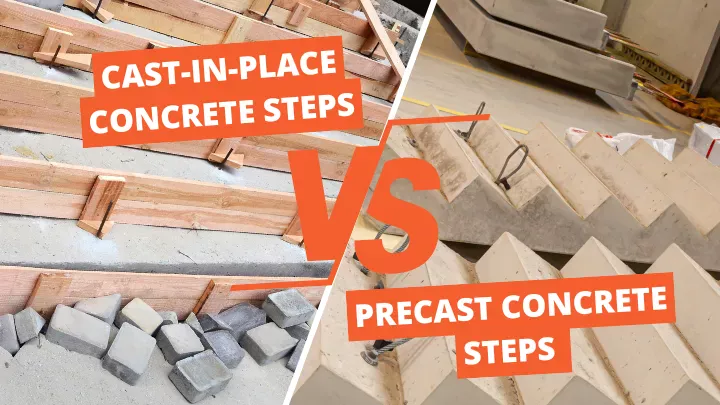
Cast-in-Place Concrete vs. Precast Concrete
Not all concrete steps are built the same. Some are poured right at your home, shaped perfectly to fit. Others come already made, loaded onto a truck, and dropped into place. If you’re thinking about replacing concrete steps, it helps to know the difference.
Each method has its place. But one tends to work out better for most homeowners.
What Are Precast Concrete Steps?
Precast steps are made off-site, usually in a factory. They are formed, dried, and delivered as one big piece. You might spot them outside older homes or commercial buildings. On paper, they sound easy. Order a size, crane it into place, and you are done.
The problem? Homes are rarely one-size-fits-all. Precast concrete steps can look awkward if the slope or height is even slightly off. They are heavy too. Installing them sometimes means extra machinery, extra time, and extra costs you did not plan for.
Downsides of Precast Concrete Steps
Fit is the biggest issue. If the ground shifts or the measurements are wrong, adjusting a precast unit is tough. Sometimes impossible. Precast also limits your choices for surface finishes and styles. You get what was made at the factory, even if it does not quite match the rest of your house.
Patching problems later can also get tricky. If a precast step cracks, full replacement is usually the only fix.
Why Cast-in-Place Concrete Steps Are a Better Option
Framed and poured steps (or cast-in-place concrete steps) are built right where you need them. Forms are set up to match your exact porch, walkway, or yard grade. Concrete is poured fresh. The steps dry and cure in place, creating a solid, seamless structure.
You also get more control. Want a broom finish for grip? Exposed aggregate for style? Rounded edges? Custom framing lets you pick the look and safety features that matter most to you.
Most important, poured steps tie into your home better. They last longer with fewer issues down the road.
If you’re serious about a smooth, durable, and long-lasting entryway, framed and poured usually makes more sense than precast. Especially when you want your investment to hold up through years of snow, rain, and heavy use.
Replacing Concrete Front Steps and Porch Steps
Front steps do more than just connect the sidewalk to your door. They set the first impression. They also take a beating from weather, foot traffic, and time. If your entry steps are cracked, sinking, or worn down, they are telling you it’s time to act.
Sometimes small repairs work. Other times, a full concrete porch steps replacement makes more sense.
If your steps are built into a raised yard or slope, a nearby retaining wall may also need inspection or rebuilding to keep everything stable and safe.
Why Front and Porch Steps Wear Out Faster
Front and porch steps get hit with everything nature throws at them. Rain soaks into small cracks. Freezing temperatures expand those cracks into splits. Salt used in winter eats away at the concrete surface. Even the simple act of walking up and down every day adds stress.
Most porch steps, especially older ones, were not built with today’s stronger concrete mixes or better water drainage. Over time, the wear shows.
Signs Your Porch Steps Might Need Full Replacement
Look out for these warning signs:
- Sinking at one side
- Wide cracks across multiple steps
- Wobbly handrails because the base is shifting
- Water pooling near the bottom of the steps after rain
If you spot any of these, fixing small sections often just delays the bigger repair. Full replacing of concrete steps ensures your porch stays safe and strong for years ahead.
Custom Cast-in-Place Concrete Steps Offer a Better Long-Term Fit
Cast-in-place concrete steps give you a custom match to your porch and yard. You get a choice of finishes like broom texture or exposed aggregate, adding grip and style. They also anchor better into your existing structure compared to precast concrete steps.
A good contractor will form the steps to meet current building codes, making sure riser heights and treads are safe and comfortable for everyday use.
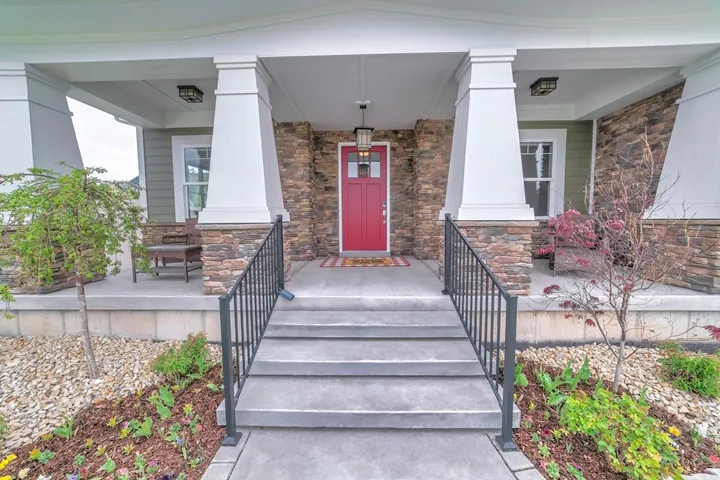
Options for Concrete Step Replacement
If your steps are beyond saving, the good news is you have options. Picking the right one depends on your home, your style, and how long you want the fix to last. When you’re thinking about replacing concrete steps, it helps to know what’s out there.
Not all options are created equal though. Some are fast but short-lived. Others take more work upfront but give you years of use without worry.
Cast-in-Place Concrete Steps
Cast-in-place or custom poured concrete is built right where you need it. Forms are shaped to fit your porch or walkway exactly. Concrete is poured fresh, finished to match your home’s style, and left to cure properly. You can choose a broom finish for better grip or exposed aggregate for a more textured look.
Framed and poured steps are strong. They are built to last through harsh weather, heavy foot traffic, and freezing winters without shifting or cracking.
Precast Concrete Steps
Precast concrete steps are made ahead of time, then delivered to your property. They can work for simple setups, but they don’t always fit every space perfectly. Adjusting them after delivery is difficult. Once installed, there are limited options for changing the look or surface texture.
While precast concrete steps offer speed, cast-in-place concrete steps usually perform better over the long run, especially when the ground around your home is uneven or drainage is an issue.
Replacing Brick Steps with Concrete
Some older homes have brick entry steps that have started to shift or crack. Replacing them with poured concrete gives you a cleaner look and stronger structure. Concrete can also be finished to mimic the style of traditional bricks if you want to keep a classic look without the maintenance headaches.
Surface Finishes for Concrete Steps
Concrete steps do not have to look plain. Different finishing techniques add safety and style:
- Broom finish: A simple textured surface that adds slip resistance.
- Exposed aggregate: A rough, decorative surface made by washing away the top layer of cement.
- Stamped concrete: Patterns pressed into the surface to mimic stone or brick.
Picking the right finish not only makes your steps safer but also adds to your home’s curb appeal.
Other options like polished concrete give a smooth, high-gloss finish that’s easy to clean and looks modern, though it’s more often used indoors or in covered entries.
General Cost Factors When Replacing Concrete Steps
Replacing concrete steps is a major project, but the total cost depends on a few important details. Things like size, materials, finishes, and site conditions all play a role in how much you will spend. The quality of the concrete mix also matters, and proper concrete testing can help ensure you are getting the strength and durability your project needs.
To give you an idea, HomeStars’ Guide To Concrete Contractor Costs & Estimates in Canada shows that concrete work across Canada usually falls between a few hundred dollars for small jobs and up to $50,000 for major projects like full patios, driveways, or large staircases. For typical residential work like replacing concrete steps, most homeowners can expect to spend anywhere from $2,500 to $10,000 CAD, depending on the size and design.
Size and Complexity of the Steps
Bigger steps mean a bigger price tag. If you have a wide front porch or several steps leading to your entryway, expect costs to move up with each extra foot of width or height. More complex shapes, turns, or landings also take more time and material to build.
Concrete Quality and Material Choices
Lower-grade concrete mixes cost less but tend to crack or crumble faster, especially with Toronto winters. Higher-quality mixes cost more but last longer and resist weather damage better. If you’re looking for fewer repairs later, paying a little more for stronger concrete often makes sense.
Solid Poured vs Hollow Precast Steps
You can save some money upfront with precast concrete steps, which are lighter and made ahead of time. Basic installs with precast can land closer to the lower end of the price range.
Custom framed and poured concrete steps cost more — but they are poured directly at your home, fit the space exactly, and hold up better long-term, especially if your property has drainage issues or uneven ground.
Surface Finishes and Custom Features
Simple broom finishes are the cheapest way to finish concrete. If you want exposed aggregate, stamped patterns, or custom edging, the price naturally goes up.
Extras like handrails, sealers, or extra-thick risers for better safety are smart investments, but each one adds a little to the overall budget.
Permit Costs and Inspection Fees
Most cities in Canada require a building permit for replacing outdoor steps. Permit fees usually range from a few hundred to over a thousand dollars, depending on the project’s size and complexity. Getting a permit protects you from fines and ensures everything meets safety codes.
Old Step Removal and Site Prep
Taking out old concrete or wooden steps is an extra cost that surprises a lot of homeowners. Removing heavy, broken slabs is more expensive than pulling up old wood, but both will add to your final bill. It’s best to include this in your early quotes so you’re not caught off guard.
Labor Costs and Access Challenges
Labor is one of the biggest variables. If your steps are easy to reach, you’ll pay less. If workers have to squeeze into a backyard, dig around landscaping, or deal with steep grades, the price can jump. Delivery fees for concrete can also rise depending on how much material is needed and how hard it is to get to your site.
Keeping New Steps Strong With Regular Maintenance
Once your new steps are poured and finished, a little regular care makes a big difference. Cleaning, sealing, and patching small cracks early can keep your steps strong and looking great for years, helping you avoid costly repairs down the line.
Permit and Code Requirements for Replacing Concrete Steps
Before you start replacing concrete steps, you’ll want to know if a building permit is needed. Many homeowners overlook this step when their projects are just small. But it can make or break your timeline. In most places, if you’re making structural changes to steps or adding new ones, a permit is required.
Skipping it can lead to more than just fines. In some cases, inspectors can shut down the job or require you to tear out completed work. Not worth the risk.
When a Permit Is Typically Required
Most local building departments treat step replacement as a structural project — especially if the work includes:
- Framing and pouring new concrete steps
- Concrete porch steps replacement attached to the house
- Changes in the height, size, or shape of the steps
- New footings, railings, or drainage redirection
- Anything more than 24 inches above ground level
If your steps serve as the main entry to your home, or if you’re changing their structural design, you’ll likely need a permit. For reference, the City of Toronto lists these changes under their When Do I Need a Building Permit? guide, which covers common cases like porch rebuilds and raised concrete decks.
When You Might Not Need One
Some small updates don’t always trigger a permit. For example, replacing precast concrete steps with the same size and location might not require approval especially if no structural changes are involved. Also, if your platform is low (less than 24 inches off the ground), and doesn’t involve plumbing, foundations, or attachments, you may be exempt.
That said, zoning bylaws and rules vary. It’s always safer to check first.
Why Permits Still Matter
The most important factor for getting a permit is to avoid legal issues. In addition to that, it makes sure your new concrete steps follow building codes, like riser height, tread depth, or required railings. This matters for safety, inspections, and resale value.
Working without one? You risk failing inspections, redoing work, or running into trouble when selling the home later. You also lose that extra layer of accountability that comes when a job gets reviewed by the city.
What to Expect in the Process
The permit application process differs by location. Some cities now offer online forms, while others require in-person approval. Many contractors will help file the paperwork, but ultimately, the homeowner is still responsible.
You’ll likely need to submit a simple drawing or plan, show where the steps are located, and outline any structural work being done. Fees vary, but for most exterior step projects, permits range from a few hundred to over a thousand dollars, depending on the complexity.
How Long Does It Take to Replace Concrete Steps
If you’re replacing concrete steps, timing matters — especially if your main entry is out of use during the project. While it may seem like a quick job, there’s more involved than just pouring and walking away. The total timeline depends on several things: how many steps, what type of concrete you’re using, and how complex the job site is.
Typical Project Timeline for Poured Concrete Steps
Most poured concrete steps take between 3 to 5 days from start to finish. That includes:
- Breaking up and removing the old steps
- Building the frame and preparing the base
- Pouring new concrete and shaping the form
- Curing and finishing the surface
Weather can cause delays. Cold, wet conditions slow curing and can push the schedule back. Even in good conditions, your contractor may build in an extra day or two for proper setup or finish work.
Curing Time: When Can You Walk On It?
After the pour, the concrete needs time to cure. In most cases:
- Light foot traffic is safe after 24 to 48 hours
- Full strength is reached after about 28 days
That doesn’t mean you’re stuck without access for four weeks. It just means the surface is still gaining strength in the background. Good contractors will tell you exactly when it’s safe to use the steps based on weather, materials, and mix.
Precast Steps Can Be Faster — But Not Always
If you’re using precast concrete steps, the installation itself might only take a day. They arrive ready to set. But that doesn’t always mean the whole project is faster. You still need to prep the ground, level the base, and possibly fix any drainage issues. And if the fit isn’t perfect, time can be lost adjusting or reordering.
What Affects Timeline the Most
Several things can stretch or shorten your schedule:
- Demolition of existing steps
- Rain or extreme cold
- Custom finishes or railings
- Site access for equipment or deliveries
- The type of concrete mix used
Some delays are avoidable. Others are just part of working with outdoor concrete. Planning ahead helps so does working with a crew that keeps you informed from day one.

Choosing the Right Contractor for Concrete Step Replacement
Not all contractors build the same steps or offer the same peace of mind. If you’re replacing concrete steps, it’s not just about the concrete. It’s about who’s behind the job.
When things go wrong, it’s almost never because concrete failed. It’s because someone rushed the prep, skipped the seal, or didn’t frame it right to begin with. Choosing the right contractor means getting work that lasts — and a company that stands behind it.
Why Experience Matters
Concrete step replacement takes more than a wheelbarrow and a bag of mix. Proper demolition, form setup, curing, and finishing all take skill. If you’re pouring custom porch steps or tying into a raised entry, your contractor needs to know more than just the basics.
At A&A Concrete, this isn’t a side job. It’s a full division of A&A Masonry, one of Toronto’s top-rated contractors. We’ve won the HomeStars award 15 times, backed by 750+ real reviews, and we’ve earned that by treating each project like it’s happening on our own home.
What Customers Say About Us
One client came to us after another company’s step job failed in just two years — loose slabs, popped treads, mortar cracks everywhere. They called us for help. We didn’t just fix it — we rebuilt it right, from the ground up. Their words?
“The end result is like night and day… I should’ve used A&A in the first place.”
Another customer said it simply:
“Mike is a craftsman… No corners were cut.”
And another:
“From quoting to cleanup, everything ran smoothly.”
These aren’t just one-off jobs. They reflect how we approach every concrete step replacement — clear communication, solid prep work, and no cutting corners.
One Team, Multiple Specialties
Being a division of A&A Masonry has its advantages. You’re not just getting a concrete crew. You’re getting access to the experience behind masonry, stone, interlock, and waterproofing too.
If your steps connect to a stone porch, we can match the finish. If the base has drainage issues, we’ll coordinate with our waterproofing division. If the foundation near your steps needs reinforcement, we don’t bring in someone else — we do it.
That full-service advantage means fewer delays, better quality, and a job that gets done right the first time.
What to Look for in Any Contractor
Even if you’re not in our service area, these things still apply:
- Ask how they frame and finish poured concrete steps
- Get photos of past concrete porch steps replacement work
- Make sure they explain their curing process
- Look for reviews that talk about both quality and service
- Ask what happens if something goes wrong
Most importantly — look for pride in their work. If they don’t care now, they won’t care when the concrete starts to crack.
Conclusion
There’s a difference between fixing concrete steps and doing them right. We see it all the time — steps that were rushed, poorly framed, or patched when they really needed to be replaced. And homeowners paying twice.
If your steps are falling apart, shifting, or just don’t feel solid under your feet anymore, don’t wait. Replacing concrete steps isn’t just about pouring new concrete. It’s about prep, design, drainage, and attention to the stuff most people don’t see.
At A&A Concrete, we take that seriously. With decades of experience behind us — and teams trained across concrete, stone, waterproofing, and masonry — we get it done properly the first time. No shortcuts. No guessing.
You want steps that last. We build those.
Frequently Asked Questions
How long do concrete steps usually last?
If they’re done right? About 30 to 40 years. But that depends on the mix, how it was installed, the weather, and whether anyone bothered to seal it.
How many days does it take to replace old concrete steps?
Poured steps usually take three to five days from start to walkable. Add a few more if you’re doing extras like finishes or railings. Precast might be quicker, but that depends on prep work.
Do I always need a permit to replace concrete steps?
Most places say yes — especially if the steps are attached to your home, higher than a couple feet, or being rebuilt with new framing. Best move? Call your local building office and ask.
Is precast better than cast-in-place concrete for steps?
Depends on the job. Precast concrete steps are fast and cheap. Cast-in-place concrete steps are built to fit, last longer, and handle bad soil or weather better. For long-term durability, cast-in-place concrete usually wins.
What should I check before hiring someone for step replacement?
Ask about their process — how they prep, how they pour, how they finish. Look at photos. Read reviews. See if they’ve handled drainage or rebuilds before. And always ask what happens if something needs fixing later.