Choosing the right concrete options for your driveway affects how well it works and how long it lasts. The concrete must handle heavy vehicles, temperature changes, and daily use.
Wrong choices can cause problems like cracks and erosion. The best mix depends on your climate, how much traffic it gets, and local rules. You need a mix that is strong, flexible, and can handle the weather.
This article will help you find the right concrete for your driveway. We’ll talk about the best mix ratios, what materials to use, and how to keep it in good shape.
Materials and Methods Needed for Concrete Driveways
Using top-notch materials is crucial for driveways that last. Choosing ASTM-certified cement and strong aggregates makes them strong. The right way to install, like careful curing and spacing joints, stops cracks early.
But, cutting corners on materials or how it’s done can lead to problems later. Key decisions include:
- High-strength cement with PSI ratings above 3,000
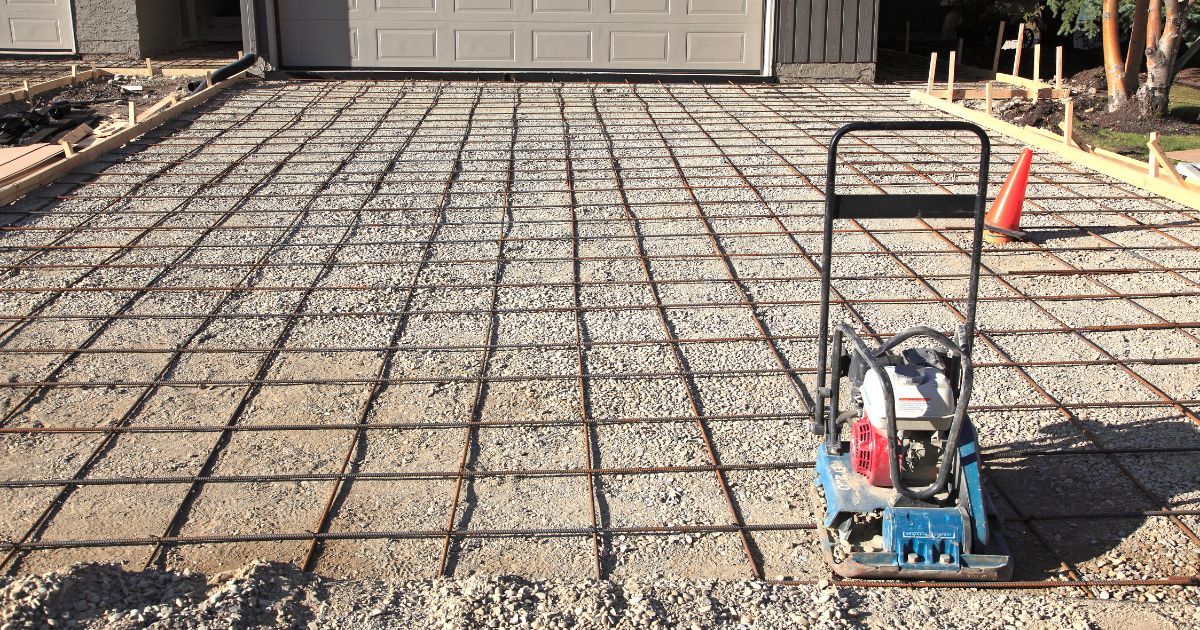
- Steel reinforcement for crack resistance
- Weather-resistant additives for colder climates
Types of Concrete Used for Driveways
| Type |
Description |
Best Use |
| Standard Concrete |
Plain cement, sand, and gravel mix |
Budget-friendly driveways |
| Reinforced Concrete |
Steel mesh or fibers added |
Heavy-duty vehicle storage areas |
| Pervious Concrete |
Porosity allows water drainage |
Stormwater management zones |
| Colored Concrete |
Integrated pigments for design |
Modern or themed property layouts |
Concrete Driveway Options
When it comes to choosing the right driveway, Toronto homeowners have plenty of durable and stylish concrete options to consider.
Exposed Aggregate Concrete
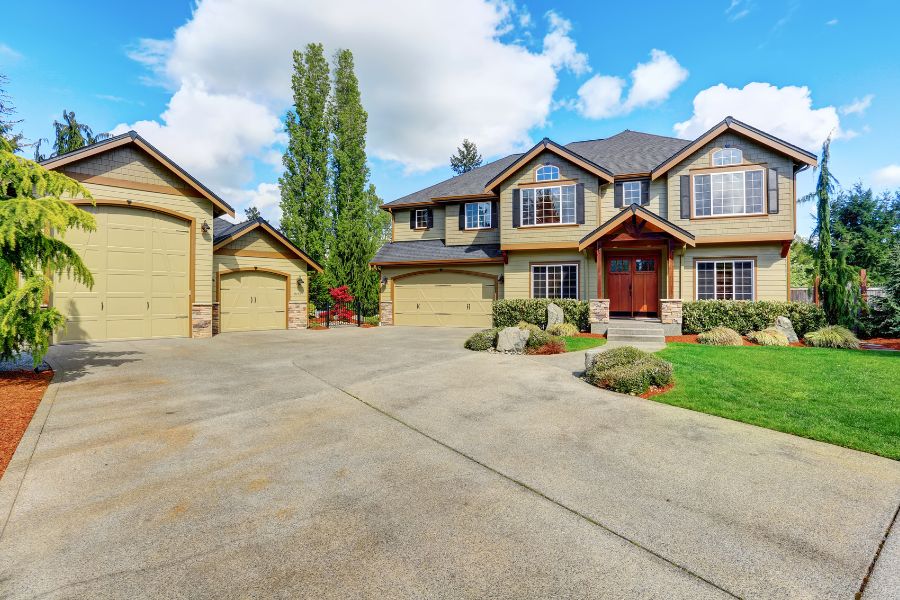
Exposed aggregate is a popular choice for driveways due to its durability and striking appearance. By removing the top layer of concrete paste, the natural textures of stones and pebbles are revealed, creating a slip-resistant and low-maintenance surface.
Lightweight Concrete
Lightweight concrete is engineered to weigh less than standard concrete, making it easier to work with and reducing the load on underlying structures. While it’s not as common for driveways, it can be a smart choice for specific applications where soil conditions are poor or weight restrictions are in place.
However, it’s important to ensure the lightweight mix still meets the strength requirements for a driveway that handles daily vehicle traffic.
Concrete Pavers
Paver driveways are a beautiful, customizable option that offers exceptional durability and easy repair. Made from concrete, brick, or natural stone, pavers interlock to create a flexible surface that can handle heavy loads without cracking.
Stained Concrete
Stained concrete allows you to personalize your driveway with vibrant colors and unique patterns. This technique penetrates deep into the concrete, providing a long-lasting finish that resists fading, peeling, or chipping.
Broom Finish
Broom finish concrete is a timeless and practical choice for driveways. After the concrete is poured and smoothed, a broom is dragged across the surface to create a textured finish that improves traction, especially when wet. Affordable, easy to maintain, and quick to install, broom finish driveways are perfect for homeowners looking for a functional yet traditional concrete surface.
Stamped Concrete
Stamped concrete is an excellent way to get the look of brick, stone, or even wood without the high cost. This technique involves pressing molds into freshly poured concrete to create detailed patterns and textures. With a wide variety of designs and color options, stamped concrete driveways can dramatically boost curb appeal while maintaining the strength and longevity of traditional concrete.
Concrete Pavers
Concrete pavers are pre-formed blocks that offer both strength and flexibility for driveway surfaces. Available in a range of styles, colors, and patterns, they can easily be replaced individually if damaged. Concrete paver driveways not only provide a stunning visual impact but also allow for better drainage and resistance to cracking compared to a single concrete slab.
Interlocking Pavers
Interlocking pavers are designed to fit tightly together, creating a strong and flexible driveway surface that withstands shifting and heavy loads. Their unique design allows them to move slightly without cracking, making them a smart choice for areas with freeze-thaw cycles.
Epoxy Coatings
Epoxy coatings are a modern solution for enhancing the appearance and durability of your driveway. Applied over existing concrete, epoxy creates a hard, glossy finish that resists stains, chemicals, and abrasions.
What is the Ideal Mix Ratios for Driveway
Finding the best concrete mix ratio for driveways is crucial. A good mix has cement, sand, and gravel in the right amounts. A common mix is 1 part cement to 2 parts sand to 3 parts gravel, with 0.5 part water to cement.
The Best Concrete Mix Ratio for a Driveway:
1 part cement : 2 parts sand : 4 parts gravel, with 0.5 parts water (by weight).
✅ This is often called the “1:2:4 mix” and it’s the standard for residential driveways.
✅ It gives you a strong, durable, and long-lasting driveway that can handle cars, trucks, and changing weather.
Extra Tip for Strength:
- Use Portland cement.
- Aim for at least 4000 PSI (pounds per square inch) strength for better durability.
- Add a water reducer or plasticizer if you want it easier to work with but without weakening it.
For exploring concrete driveway options, consider these mixes:
- Standard mix: 1:2:3 ratio for regular driveways
- High-load mix: 1:1.5:3 ratio with 5% fly ash
Local weather and how much traffic your driveway gets are important. Always test mixes with certified labs to make sure they meet ASTM C33 standards.
Recommended Concrete Thickness for Driveways
The thickness of concrete depends on its use. Here’s a quick guide:
| Type |
Thickness |
| Residential |
4-5 inches |
| Light commercial |
5-6 inches |
| Heavy-duty |
6-8 inches |
Thicker concrete can handle heavy vehicles and harsh weather. Use ASTM C33-grade aggregates for the strongest mix.
Maintenance Strategies for Concrete Driveways
Keeping your concrete driveway in good shape is key. Regular care stops small problems from getting big.
Repairing Concrete Cracks and Uneven Surfaces
Don’t ignore cracks and uneven spots. They can cause serious damage. Here’s how to fix them:
- Seal small cracks with concrete sealant or epoxy for a smooth look.
- For sunken areas, use a concrete patching compound and press it down well.
- For big cracks or deep spots, get a pro’s help.
Enhancing Overall Durability
Using the right materials and reinforcement can make your driveway last longer. Think about:
- Embedding welded wire fabric for added tensile strength
- Including silica fume in mixes to boost compressive strength
- Applying curing compounds within 24 hours of pouring
Toronto-Specific Considerations for Concrete Driveway
Building a concrete driveway in Toronto means you need to follow local rules and think about the area’s unique factors. You must consider toronto-specific considerations to make sure your driveway is both legal and long-lasting. This includes getting the right permits, choosing the right materials, and planning your budget for the Toronto area.
Average Cost of Concrete Driveways in Toronto
The average cost of concrete driveways in Toronto is between $8 to $15 per square foot. Prices change based on:
- The quality of the concrete (standard or premium)
- Any extra features (like colors or textures)
- The cost of labor in the Greater Toronto Area (GTA)
Winter weather and the type of soil can also raise costs. You might need to add extra layers or bases to protect against frost. Make sure to include these costs in your budget.
Hiring Contractors for Concrete Driveway Projects
Finding a trustworthy contractor and getting ready right is key for a smooth driveway project. Follow these tips to steer clear of common pitfalls and ensure lasting results.
FAQ
What is the best type of concrete for a driveway?
For driveways, reinforced concrete with a strength of at least C25/30 is best. This type of concrete is more durable and less prone to cracking. It performs well under heavy use.
How thick should a concrete driveway be?
A driveway should be at least 4 inches thick to handle vehicle weight. For heavier traffic, make it 5 or 6 inches thick. This adds more durability.
What is the recommended concrete mix ratio for driveways?
Use a mix of 1 part cement, 2 parts sand, and 3 parts gravel. Add enough water to make it workable. This mix creates a strong and lasting driveway.
Why is rebar important in concrete driveways?
Rebar strengthens the concrete, preventing cracks and improving its structure. It helps the driveway withstand vehicle and environmental stresses.
How can I repair cracks in my concrete driveway?
Clean the area well, then fill cracks with epoxy or polyurethane. For big cracks, use a patching compound or resurface the driveway.
What are the aesthetic options for finishing my concrete driveway?
You can stamp, stain, or apply a decorative overlay to your driveway. These methods enhance appearance and protect against wear.
Do I need a permit to pave my driveway in Toronto?
Yes, a paving permit is needed in Toronto before starting work. Check with the City’s Buildings Division for regulations and zoning laws.
How can I extend the lifespan of my concrete driveway?
Regular maintenance is key. Fill cracks, seal the surface, and avoid harsh chemicals in winter. Clean it often to prevent damage.
What are typical costs associated with concrete driveways in Toronto?
Costs vary based on size, thickness, and finish. Expect to pay between $8 and $15 per square foot. Get quotes from multiple sources for the best price.
Conclusion
Choosing the right concrete mix and proper installation is key to a durable driveway. High-strength concrete with rebar and a stable base resists cracks and wear. Regular maintenance, like sealing and crack repairs, keeps it looking good and lasting longer.
Local rules, like Toronto’s paving permits, and working with licensed contractors are important. They ensure the driveway meets safety standards. Using quality materials and skilled labor also saves money in the long run and makes the driveway more reliable.
By following these steps, you get a driveway that looks good and works well. Proper planning and upkeep make it a smart choice for everyday use and weather challenges.