Choosing the right coating for concrete flooring can be a daunting task due to the numerous options available.
When it comes to enhancing the durability and aesthetic appeal of concrete surfaces, the type of paint used plays a crucial role.
Different types of coatings offer various benefits, including resistance to wear and tear, and improved visual appeal. Understanding the characteristics of each can help in making an informed decision.
For concrete flooring, selecting the best paint involves considering factors such as durability, finish, and maintenance requirements.
The Purpose and Benefits of Concrete Paint
Concrete paint is a versatile solution that offers both functional and aesthetic benefits for various concrete applications. It not only enhances the appearance of concrete surfaces but also provides a protective layer against environmental degradation. This dual functionality makes concrete paint an essential component in the maintenance and upkeep of concrete structures.
Why Concrete Surfaces Need Protection
Concrete surfaces are exposed to various environmental factors, including moisture, UV radiation, and mechanical wear, which can lead to deterioration over time. Protecting concrete surfaces with paint or coatings is crucial to prevent damage such as cracking, spalling, and discoloration. By applying a protective layer, property owners can extend the lifespan of their concrete surfaces and reduce maintenance costs.
- Prevents water infiltration and damage
- Resists chemical spills and stains
- Enhances durability against wear and tear
So, what does concrete floor paint do? It acts as a barrier against these harmful elements, ensuring the longevity of the concrete.
Aesthetic and Functional Advantages
Besides protection, concrete paint also offers aesthetic and functional advantages. It is available in a wide range of colors and finishes, allowing property owners to customize the appearance of their concrete surfaces. Moreover, certain types of concrete coatings, such as epoxy and urethane, provide a durable and slip-resistant finish, enhancing the safety and functionality of the surface.
Key benefits include:
- Customizable appearance with various colors and finishes
- Improved safety through slip-resistant coatings
- Increased property value through enhanced aesthetics
Understanding the different types of concrete coatings is essential for selecting the right product for specific needs.
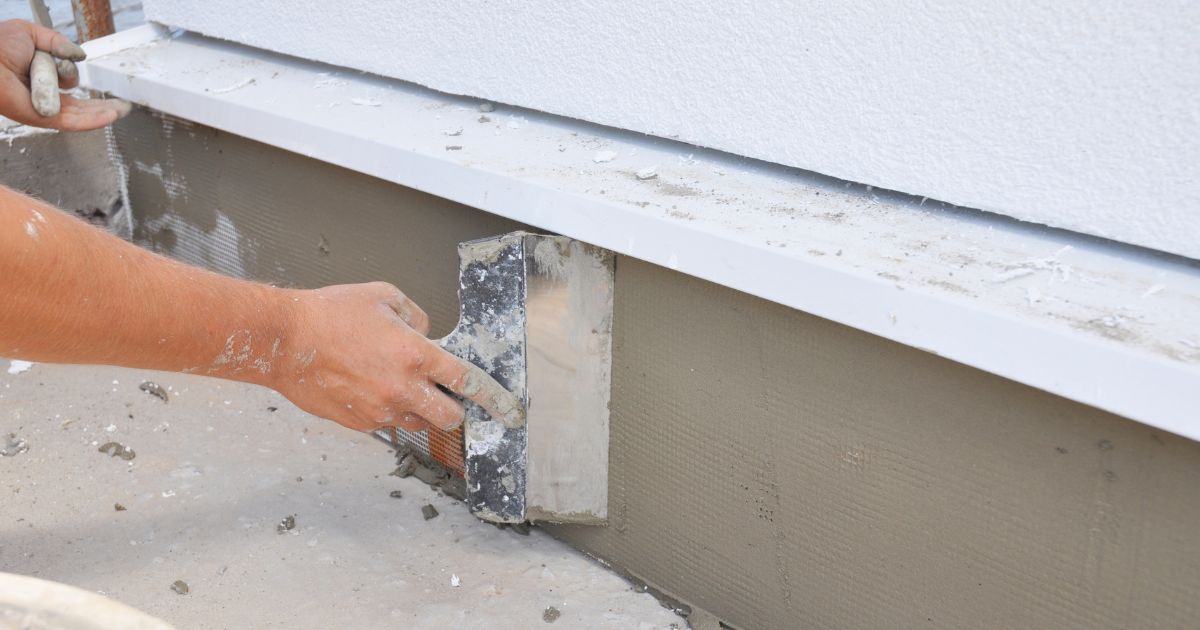
Types of Concrete Paint for Different Applications
Concrete paint comes in various formulations, each designed to cater to different application needs and environments. The selection of the appropriate type is crucial for achieving the desired performance, durability, and aesthetic appeal. Understanding the characteristics of each type of concrete paint is essential for making an informed decision.
Epoxy Paints: Durability and Performance
Epoxy paints are renowned for their exceptional durability and performance on concrete surfaces. They consist of two components – a resin and a hardener – that when mixed, form a rigid plastic material that bonds well to the concrete. This results in a surface that is resistant to heavy wear and tear, chemicals, and stains. Epoxy paints are particularly suitable for high-traffic areas, such as garage floors, industrial facilities, and commercial spaces, where durability is paramount.
The application of epoxy paint requires careful preparation, including surface cleaning and potentially etching the concrete to ensure a strong bond. Once applied, epoxy paints dry quickly and form a hard, glossy finish that is easy to maintain. However, they can be sensitive to UV light, potentially leading to yellowing or degradation over time if not properly formulated with UV-resistant additives.
Urethane Coatings: Flexibility and Protection
Urethane coatings offer a flexible and protective solution for concrete surfaces. They are known for their ability to withstand heavy foot and vehicle traffic while maintaining their integrity. Unlike epoxy, urethane coatings remain flexible after curing, which allows them to accommodate slight movements in the concrete without cracking. This characteristic makes them particularly suitable for applications where the concrete may be subject to shifting or vibration.
Urethane coatings also provide excellent resistance to chemicals and abrasion, making them a popular choice for areas exposed to harsh conditions. They are available in a range of formulations, including moisture-cured and two-component systems, offering versatility in application and performance. While they may not be as rigid as epoxy coatings, their flexibility is a significant advantage in many scenarios.
Acrylic Paints: Versatility and Ease of Use
Acrylic paints are a versatile and user-friendly option for coating concrete surfaces. They are water-based or solvent-based and contain acrylic polymers that provide a durable, water-resistant finish. Acrylic paints are easy to apply and can be used on a variety of concrete surfaces, both indoors and outdoors. They are available in a wide range of colors and sheens, making them suitable for decorative applications.
One of the key benefits of acrylic paints is their ease of application and quick drying time. They do not require the mixing of components, as seen with epoxy paints, simplifying the application process. While they may not offer the same level of durability as epoxy or urethane coatings, they provide a cost-effective solution for many concrete painting needs.
Understanding Concrete Coatings vs. Paint
Understanding the differences between concrete coatings and paint is essential for making an informed decision about how to treat your concrete surfaces. While both options are used to enhance and protect concrete, they have distinct formulations and performance characteristics.
Key Differences in Formulation and Performance
Concrete coatings are typically thicker and more durable than paint, offering superior protection against wear and tear, chemicals, and environmental factors. Unlike paint, which primarily provides a cosmetic layer, concrete coatings can enhance the structural integrity of the concrete. Key differences include their thickness, durability, and adhesion properties.
Concrete coatings are formulated to adhere strongly to the concrete surface, creating a long-lasting barrier. This is particularly important for high-traffic areas or surfaces exposed to harsh conditions. In contrast, paint may not provide the same level of protection and may require more frequent reapplication.
Surguard® Acrylic Coating Characteristics
Surguard® acrylic coatings are known for their versatility and ease of application. They offer a flexible, water-resistant barrier that can withstand moderate traffic and environmental exposure. These coatings are ideal for surfaces that require a balance between protection and aesthetic appeal. Surguard® acrylic coatings are available in various finishes and can be used on both interior and exterior concrete surfaces.
Surguard® Urethane Coating Benefits
Surguard® urethane coatings provide exceptional durability and resistance to heavy traffic, chemicals, and abrasion. They are particularly suited for industrial and commercial applications where concrete surfaces are subject to harsh conditions. The benefits of Surguard® urethane coatings include their long-lasting performance and minimal maintenance requirements. These coatings are available in a range of formulations to suit different specific needs.
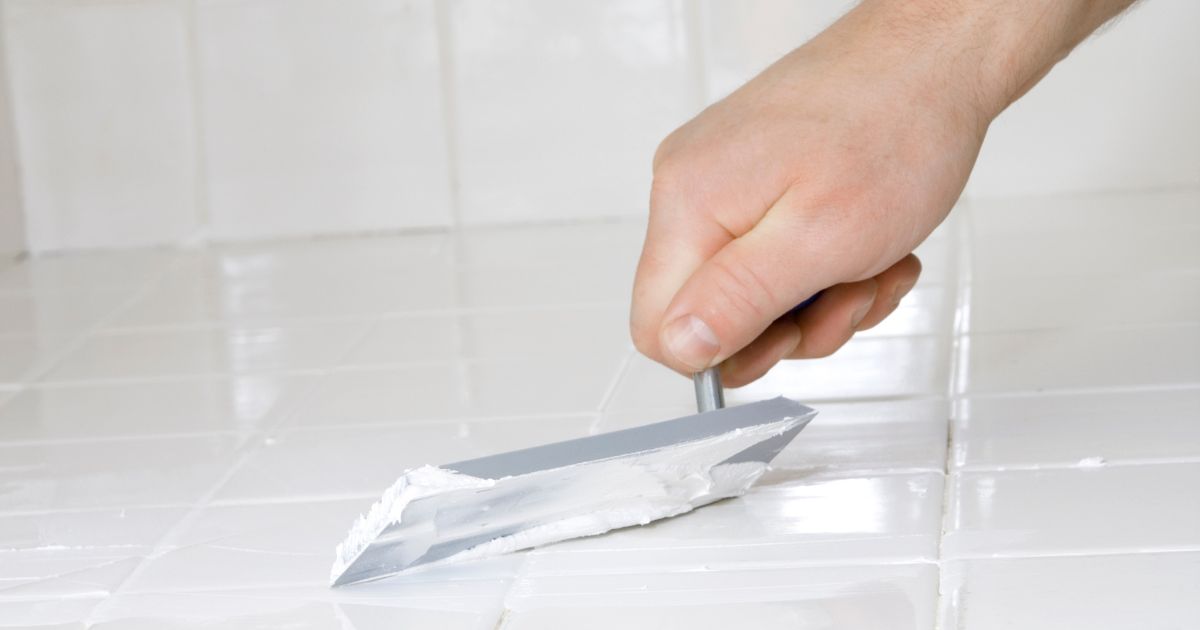
Best Paint for Indoor Concrete Surfaces
The right paint can transform indoor concrete surfaces, making them more durable and visually appealing. When it comes to selecting the best paint for concrete flooring, several factors come into play, including durability, aesthetic appeal, and functionality.
For indoor concrete surfaces, the choice of paint can significantly impact the overall ambiance and longevity of the floor. Whether it’s a basement, garage, or decorative concrete finish, the right paint can enhance the surface’s resistance to wear and tear.
Basement Floors and Walls
Basement floors and walls are prone to moisture issues, making it essential to choose a paint that is not only aesthetically pleasing but also provides a barrier against water and humidity. Epoxy-based paints are a popular choice for basements due to their durability and resistance to moisture.
When selecting a paint for basement floors and walls, consider the level of moisture exposure and the desired finish. Some paints are specifically designed to be more breathable, allowing moisture to escape, while others provide a more durable, waterproof finish.
- Epoxy-based paints for durability and moisture resistance
- Acrylic paints for a breathable, water-resistant finish
- Consider the level of moisture exposure when choosing a paint
Garage Floor Paint Solutions
Garage floors are subject to heavy traffic, oil spills, and chemical exposure, requiring a paint that is both durable and resistant to chemicals. Urethane-based coatings are often used on garage floors due to their flexibility and protective qualities.
When choosing a paint for garage floors, consider the level of traffic and the types of chemicals the floor will be exposed to. Some garage floor paints are specifically designed to be chemical-resistant, providing a long-lasting finish.
- Urethane-based coatings for flexibility and protection
- Chemical-resistant paints for durability
- Consider the level of traffic and chemical exposure
Decorative Interior Concrete Finishes
For decorative interior concrete finishes, the focus is on enhancing the aesthetic appeal of the concrete surface. Decorative concrete paints and coatings come in a variety of colors and finishes, allowing homeowners to achieve the desired look.
When selecting a decorative concrete finish, consider the color and finish that will complement the surrounding decor. Some decorative concrete finishes are designed to be stain-resistant, making maintenance easier.
- Variety of colors and finishes available
- Consider the surrounding decor when choosing a finish
- Stain-resistant finishes for easier maintenance
Outdoor Concrete Paint Selection Guide
Outdoor concrete surfaces, such as driveways and patios, require specialized paint to withstand various environmental conditions. The right paint not only enhances the appearance of these surfaces but also provides a protective layer against the elements.
When selecting outdoor concrete paint, it’s essential to consider the specific application and the conditions the surface will be exposed to. Different surfaces have unique requirements; for instance, driveway and walkway coatings need to be particularly durable to withstand foot and vehicle traffic.
Driveway and Walkway Coating Options
For driveways and walkways, durable coatings are necessary to resist wear and tear. Epoxy and urethane-based coatings are popular choices due to their high durability and resistance to abrasion.
- Epoxy coatings offer excellent chemical resistance and durability.
- Urethane coatings provide flexibility and UV resistance, making them suitable for outdoor applications.
Patio and Pool Deck Solutions
Patios and pool decks are exposed to sunlight, water, and varying temperatures, requiring paint that is both aesthetically pleasing and highly resistant to these conditions. Acrylic coatings are often used for these areas due to their versatility and ease of application.
Key considerations for patio and pool deck coatings include:
- UV resistance to prevent fading and degradation.
- Water resistance to withstand exposure to pool water and rain.
- Slip resistance to ensure safety, especially around pool areas.
Weather and UV-Resistant Formulations
Weather and UV resistance are critical factors for outdoor concrete paint. Formulations that include UV-resistant additives help maintain the paint’s color and integrity over time, despite exposure to sunlight.
Manufacturers often incorporate advanced technologies to enhance the weather resistance of their products, ensuring that the paint remains effective and visually appealing for years to come.
Performance Characteristics of Quality Concrete Paint
Quality concrete paint is defined by several key performance characteristics that ensure its longevity and aesthetic appeal. These characteristics are crucial for withstanding various environmental and usage conditions. The right performance characteristics can significantly enhance the durability and appearance of concrete surfaces.
Abrasion and Impact Resistance
Abrasion and impact resistance are vital for concrete paint, especially in high-traffic areas. Epoxy and urethane coatings are known for their excellent abrasion resistance, making them ideal for garage floors and industrial settings. These coatings can withstand heavy foot and vehicle traffic, reducing the need for frequent repaints.
Chemical and Stain Resistance
Chemical and stain resistance are essential for maintaining the appearance of painted concrete. High-quality concrete paints are formulated to resist chemicals and stains, making cleaning easier and preventing damage. This is particularly important in areas exposed to chemicals, such as garages or industrial facilities.
Water and Moisture Protection
Water and moisture protection are critical for preventing damage to concrete surfaces. Waterproof coatings can protect concrete from water infiltration, reducing the risk of cracks and structural damage. This is especially important for outdoor concrete surfaces exposed to rain and snow.
Longevity and Fade Resistance
Longevity and fade resistance are key factors in the overall performance of concrete paint. UV-resistant formulations help maintain the color and finish of the paint over time, even when exposed to direct sunlight. This ensures that the painted surface remains vibrant and attractive for years to come.
When selecting a concrete paint, it’s essential to consider these performance characteristics to ensure the best results. Different types of concrete coatings offer varying levels of performance, so choosing the right one for your specific needs is crucial.
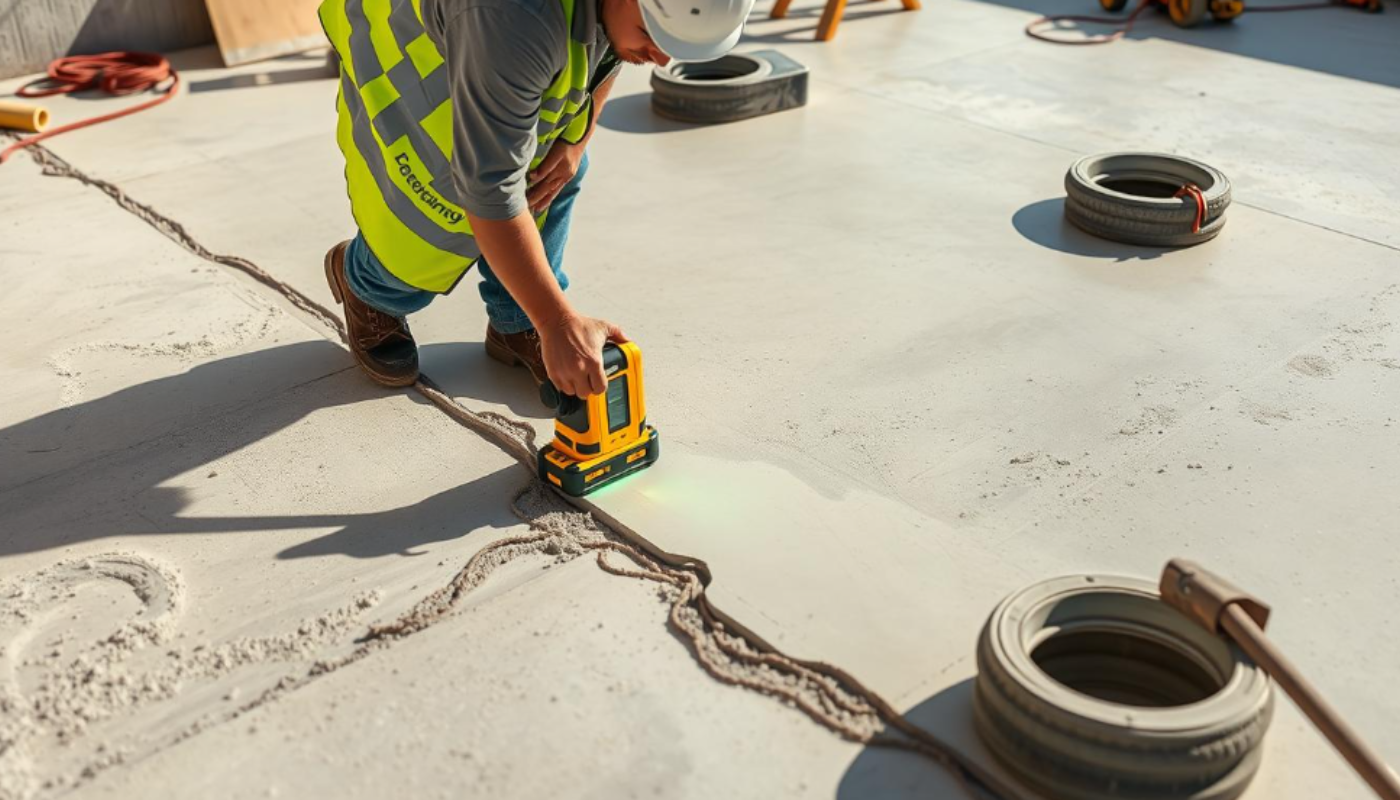
How to Choose the Right Concrete Paint
The process of selecting the ideal concrete paint involves considering several key factors that impact performance and durability. With various types of concrete paint available, each with its unique characteristics and benefits, making an informed decision is crucial for achieving a successful painting project.
Understanding the specific requirements of your project is vital. This includes assessing the level of traffic and usage the painted surface will endure, as well as environmental factors such as exposure to weather conditions.
Assessing Traffic and Usage Requirements
When it comes to concrete flooring, the best paint for concrete flooring is one that can withstand the anticipated level of foot or vehicle traffic. For high-traffic areas, a more durable paint with high abrasion resistance is necessary.
For instance, epoxy paints are known for their durability and are often recommended for garage floors and commercial spaces. In contrast, areas with less traffic may allow for the use of acrylic paints, which are easier to apply and offer a decorative finish.
Climate and Environmental Considerations
For outdoor concrete surfaces, how to choose outdoor concrete paint becomes a critical question. The paint must be able to resist weathering, UV light, and potential chemical spills. Urethane coatings, for example, offer flexibility and protection against harsh environmental conditions.
It’s also important to consider the local climate. In areas with significant rainfall or extreme temperatures, a paint with enhanced water resistance and thermal stability is essential.
Color and Finish Options
The choice of color and finish is not just aesthetic; it can also impact the functionality of the painted surface. Lighter colors can reflect light, making areas appear brighter, while darker colors can hide stains and dirt.
Additionally, the finish can range from matte to high gloss. A higher gloss finish may be more resistant to stains but can also show more imperfections on the surface.
Budget and Value Analysis
Finally, the cost of the paint and the overall value it provides must be considered. While cheaper options may be tempting, they often result in higher maintenance costs over time.
A more expensive, high-quality paint may offer long-term savings through its durability and resistance to damage. It’s essential to weigh the initial cost against the long-term benefits when making a decision.
Preparing Concrete for Painting
Before applying paint to concrete surfaces, it’s crucial to prepare the surface properly to ensure a durable and long-lasting finish. Proper preparation enhances the paint’s adhesion, durability, and overall appearance.
Preparing the concrete surface is a multi-step process that involves cleaning, repairing, and priming the surface. A well-prepared surface ensures that the paint adheres properly, reducing the risk of peeling and flaking.
Surface Cleaning and Degreasing Methods
Cleaning the concrete surface is the first step in preparing it for painting. Dirt, grime, and grease can interfere with paint adhesion, so it’s essential to remove these substances. Degreasing is particularly important as grease and oil can prevent the paint from bonding with the concrete.
- Use a stiff-bristled brush or broom to remove loose debris.
- Apply a concrete cleaner or degreaser to the surface, following the manufacturer’s instructions.
- Rinse the surface thoroughly with water to remove any cleaning solution residue.
Crack Repair and Surface Preparation
After cleaning, inspect the surface for cracks and damage. Repairing cracks is crucial for a smooth finish and to prevent further damage. Use a concrete patching compound to fill cracks, and allow it to dry according to the manufacturer’s instructions.
- Clean the crack thoroughly before applying the patching compound.
- Apply the compound using a putty knife, pressing it firmly into the crack.
- Smooth out the surface to match the surrounding area.
Etching, Priming, and Moisture Testing
Etching the concrete surface helps to create a better bond between the concrete and the paint. It involves applying an etching solution to the surface, which opens up the pores of the concrete. After etching, priming may be necessary, especially if the concrete is particularly porous or has been previously coated.
Moisture testing is also critical. High moisture levels can cause paint to peel or bubble. Use a moisture test kit to determine if the concrete is dry enough for painting. When you understand how to properly prepare your concrete surface, you can achieve a professional-looking finish that lasts.
Application Techniques for Professional Results
To ensure a long-lasting finish, it’s essential to master the techniques involved in applying concrete paint. A well-executed application not only enhances the aesthetic appeal of the concrete surface but also contributes to its durability and resistance to wear and tear.
Essential Tools and Equipment
The right tools and equipment are fundamental to achieving a professional finish. Essential items include:
- A high-quality paint roller and extension pole for efficient coverage
- A paintbrush for cutting in and detailing edges
- A paint tray with a grid for managing paint flow
- A mixing stick for ensuring the paint is well-mixed
Having the correct tools on hand simplifies the application process and helps achieve a uniform coat.
Step-by-Step Application Process
Applying concrete paint involves several key steps:
- Prepare the surface according to the manufacturer’s instructions, ensuring it is clean, dry, and free of any previous coatings that might interfere with adhesion.
- Apply a primer if necessary, to enhance paint adhesion and durability.
- Mix the concrete paint thoroughly before application, following the manufacturer’s guidelines for mixing ratios.
- Apply the paint in thin, even coats, allowing the first coat to dry completely before applying a second coat if necessary.
Following these steps helps ensure a smooth, professional-looking finish.
Troubleshooting Common Application Issues
Despite careful planning, issues can arise during the application process. Common problems include uneven coverage, paint drips, and adhesion issues. To address these, it’s crucial to:
- Work in well-lit conditions to spot any imperfections early.
- Maintain a wet edge to prevent visible lines.
- Use a roller with an extension pole to minimize ladder use and ensure even coverage.
By being aware of these potential issues and knowing how to troubleshoot them, you can achieve a high-quality finish with your concrete paint application.
Specialized and Eco-Friendly Concrete Paint Options
Beyond standard concrete paints, there are specialized and eco-friendly options that cater to specific needs and preferences. These paints not only enhance the durability and appearance of concrete surfaces but also address environmental concerns.
Low-VOC and Water-Based Formulations
Low-VOC (Volatile Organic Compound) and water-based concrete paints are gaining popularity due to their reduced environmental impact. These formulations minimize harmful emissions, making them ideal for indoor applications and projects where sustainability is a priority. They offer a healthier alternative without compromising on performance.
Textured and Anti-Slip Additives
For areas that require extra traction, such as pool decks or garage floors, textured and anti-slip additives can be incorporated into concrete paints. These additives enhance safety by reducing the risk of slips and falls. They are available in various textures and can be customized to suit different applications, providing both functionality and aesthetic appeal.
Maintenance and Care of Painted Concrete
The key to extending the life of painted concrete lies in proper maintenance and care. Painted concrete surfaces, whether indoors or outdoors, are subject to various forms of wear and tear, including foot traffic, vehicle traffic, and exposure to the elements. Regular maintenance not only preserves the appearance of the concrete but also ensures its durability and longevity.
Routine Cleaning Procedures
Regular cleaning is essential to maintain the appearance and integrity of painted concrete. Sweeping or blowing leaves off the surface regularly can prevent dirt and debris from accumulating and causing damage. For more thorough cleaning, a mild detergent mixed with water can be used. It’s crucial to avoid using harsh chemicals or abrasive cleaners that can damage the paint or the concrete underneath. A soft-bristled brush or mop is recommended for cleaning to prevent scratching the surface.
Addressing Wear and Damage
Despite regular maintenance, painted concrete surfaces may eventually show signs of wear or damage. Addressing these issues promptly is vital to prevent further deterioration. For minor scratches or scuffs, a touch-up paint that matches the original color can be applied. More significant damage may require a more comprehensive repair, involving the application of a new coat of paint or a specialized repair compound.
Recoating Schedules and Techniques
The frequency of recoating painted concrete depends on various factors, including the type of paint used, the level of traffic or exposure, and the overall condition of the surface. Inspecting the surface regularly can help determine when a new coat is needed. When recoating, it’s essential to follow the manufacturer’s instructions for surface preparation and application to ensure a durable and long-lasting finish.
Conclusion
Choosing the right concrete paint is crucial for protecting and enhancing concrete surfaces. As discussed, various types of concrete paint, such as epoxy, urethane, and acrylic, offer distinct benefits and are suited for different applications. Understanding the specific needs of the surface, including traffic, climate, and desired finish, is essential for a successful outcome.
Proper preparation, including cleaning, degreasing, and repairing cracks, ensures a strong bond between the concrete and the paint. Applying the paint according to the manufacturer’s instructions and using the right tools and techniques can achieve professional results. Regular maintenance, such as routine cleaning and addressing wear and damage, extends the lifespan of the painted surface.
By considering factors such as durability, chemical resistance, and aesthetic appeal, individuals can select the ideal concrete paint for their specific needs. Whether for indoor or outdoor applications, concrete paint offers a versatile and effective solution for enhancing the functionality and appearance of concrete surfaces.
FAQ
What does concrete floor paint do?
Concrete floor paint protects the concrete surface from damage, enhances its appearance, and provides a durable finish that resists wear and tear.
How do you choose outdoor concrete paint?
When choosing outdoor concrete paint, consider factors such as weather resistance, UV protection, and durability. Select a paint that is specifically designed for outdoor use and can withstand the elements.
What is concrete coating?
Concrete coating refers to a layer of material applied to the concrete surface to protect it from damage, improve its appearance, and enhance its durability. Concrete coatings can be made from various materials, including epoxy, urethane, and acrylic.
How do you coat concrete?
To coat concrete, the surface must be properly prepared by cleaning, degreasing, and repairing any cracks or damage. The coating is then applied using a suitable method, such as rolling, spraying, or troweling, depending on the type of coating and desired finish.
What are the types of concrete coatings?
There are several types of concrete coatings, including epoxy, urethane, acrylic, and polyurea coatings. Each type has its own unique characteristics, benefits, and applications.
What is the difference between Surguard® acrylic coating and Surguard® urethane coating?
Surguard® acrylic coating is a water-based coating that provides a flexible, breathable finish, while Surguard® urethane coating is a more durable, chemical-resistant coating that offers superior protection against heavy wear and tear.
What is the best paint for concrete flooring?
The best paint for concrete flooring depends on the specific application and requirements. Epoxy paints, urethane coatings, and acrylic paints are popular options, each with their own strengths and benefits.
How do you prepare concrete for painting?
To prepare concrete for painting, the surface must be cleaned, degreased, and repaired. Any cracks or damage must be filled, and the surface may need to be etched or primed to ensure a strong bond between the concrete and paint.