Textured concrete offers a wide range of benefits, including durability and aesthetic appeal. Finishes such as float and trowel finishes provide a smooth, even surface, while others like broom finish offer a more textured, slip-resistant surface.
Benefits for Canadian Homes and Businesses
In Canada, textured concrete is particularly beneficial due to the country’s diverse climate. The durability of textured concrete makes it an ideal choice for withstanding harsh weather conditions, from freezing winters to hot summers.The aesthetic versatility of textured concrete allows it to be adapted to various architectural styles, making it suitable for both indoor and outdoor applications in modern and traditional buildings.
Basic Textured Concrete Finishes
For those looking to improve the texture and appearance of their concrete surfaces, basic textured concrete finishes present a practical and cost-effective solution. These finishes not only enhance the aesthetic appeal of concrete but also offer improved durability and functionality.
Float and Trowel Finishes
Float and trowel finishes are among the most common basic textured concrete finishes. They are achieved through the use of different tools and techniques during the concrete finishing process. Float finishes are typically smoother and are often used for surfaces that require a more uniform appearance.
Float and trowel finishes are versatile and can be used in various applications, including driveways, sidewalks, and interior floors.
Broom Finish
A broom finish is another basic textured concrete finish that is particularly popular for outdoor applications. It is achieved by dragging a broom over the wet concrete surface, creating a textured, slip-resistant finish.
The broom finish is valued for its slip-resistant properties, making it an ideal choice for outdoor areas such as patios, walkways, and pool decks, especially in regions like Canada where weather conditions can be slippery. The texture provides traction, reducing the risk of slips and falls.
Stamped Concrete
Stamped concrete is a method that involves imprinting patterns onto freshly laid concrete to mimic the appearance of other materials, such as stone, brick, or wood. This is achieved through the use of specialized stamps and tools.
Stamped concrete can replicate a variety of textures and patterns, including:
- Stone slab patterns
- Brick layouts
- Wood grain textures
- Custom designs
These patterns can be tailored to suit the aesthetic requirements of any project, from residential driveways to commercial walkways.
Stenciled Concrete
Stenciled concrete is another decorative technique that involves using stencils to create intricate designs on concrete surfaces. This method is particularly useful for achieving detailed patterns that might be challenging with stamped concrete.
Stenciled concrete allows for a high degree of customization, enabling the creation of unique and complex designs. This is achieved by layering multiple stencils and colors to produce a multi-dimensional effect.
Exposed Aggregate
Exposed aggregate is a popular finish that involves revealing the aggregate (stones or gravel) within the concrete. This is achieved by removing the top layer of cement paste, exposing the aggregate beneath.
Stone Selection and Visual Impact
The choice of aggregate significantly influences the visual impact of the finished surface. Different colors, textures, and sizes of aggregate can be used to achieve a wide range of aesthetic effects. For instance, using river rocks can create a smooth, rounded appearance, while crushed granite can provide a more rugged texture.
Rock Salt Finish
A rock salt finish is achieved by applying rock salt to the surface of the concrete and then washing it off after the concrete has set. This process creates a pitted texture, which is both decorative and slip-resistant.
Creating the Pitted Texture
The rock salt finish is created by sprinkling rock salt onto the wet concrete surface. As the concrete sets, the salt dissolves, leaving behind small pits. The size and density of the pits can be controlled by adjusting the amount of rock salt used.
The rock salt finish is particularly suited for areas around pools and patios due to its slip-resistant properties. The textured surface provides traction, reducing the risk of slips and falls, even when the surface is wet.
Sandblasted Finish
A sandblasted finish involves blasting the concrete surface with sand or other abrasive materials to create a smooth, matte finish. This technique can be used to achieve a range of textures, from subtle to highly textured.
The depth and texture of a sandblasted finish can be controlled by adjusting the pressure and type of abrasive used. This allows for a high degree of customization, making it suitable for a variety of design applications, from decorative walkways to exposed aggregate walls.
Colored Finish
A colored finish is achieved through either integral coloring, where the color is mixed into the concrete, or surface coloring, where the color is applied to the surface. Integral coloring provides a uniform color throughout the concrete, making it less prone to fading.
Integral coloring involves adding pigments to the concrete mix, ensuring a consistent color. Surface coloring, on the other hand, applies color to the surface through various methods, including staining and sealing.
Stained Concrete
Stained concrete is a popular choice for achieving unique, variegated effects. The staining process involves applying chemicals that react with the concrete to produce the desired color.
Acid stains react chemically with the concrete, producing a rich, mottled appearance. Water-based stains, on the other hand, offer a broader range of colors and are more environmentally friendly. The choice between acid and water-based stains depends on the desired effect and environmental considerations.
Staining can be used to create complex patterns, such as marbled effects, by carefully controlling the application process. Layering different stains and using various techniques can result in unique, high-end finishes that add significant aesthetic value to the concrete.
Polished Concrete
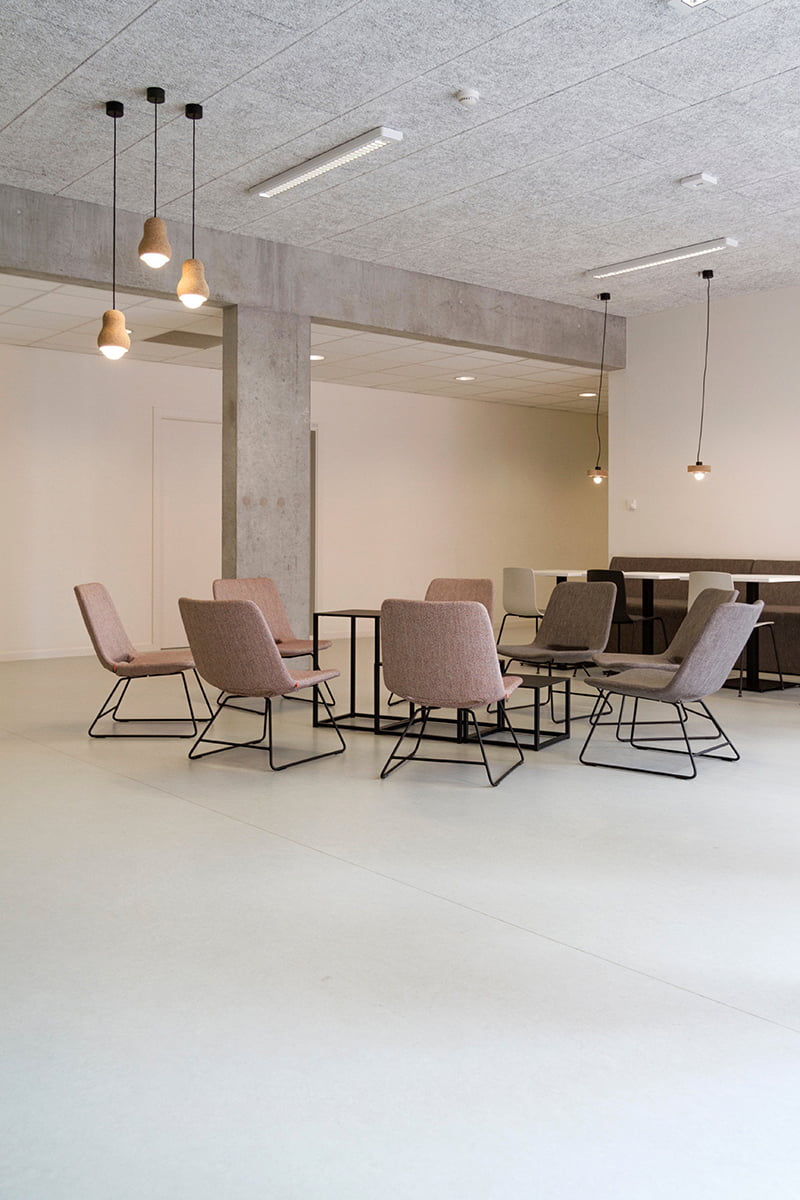
Polished concrete involves grinding the surface to a high gloss, enhancing its appearance and durability. This finish is particularly popular for indoor applications, where it can contribute to energy efficiency by reflecting light.
The level of gloss achieved through polishing can vary, from a matte finish to a high-gloss finish. Higher gloss levels not only enhance the appearance but also increase light reflectivity, reducing the need for artificial lighting.
Epoxy Coatings
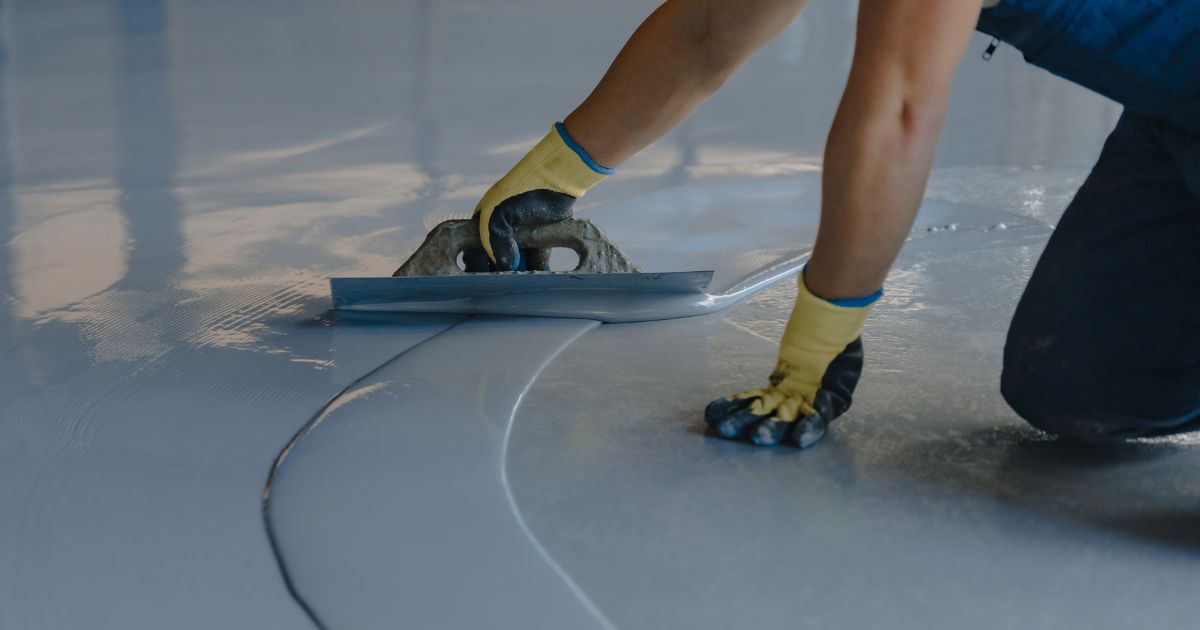
Epoxy coatings are a popular choice among specialty overlay finishes due to their exceptional durability and versatility. They are particularly valued for their ability to provide a high-gloss finish that is both visually appealing and resistant to wear and tear.
The decorative potential of epoxy coatings is vast, with options ranging from solid colors to decorative flakes and quartz broadcasting. This allows for a high degree of customization to suit various design preferences.
One of the significant advantages of epoxy coatings is their chemical resistance, making them an ideal choice for garages and workshops where exposure to chemicals is common.
Troweled Overlay Finish
Troweled overlay finishes offer another versatile solution for enhancing concrete surfaces. They involve applying a layer of material over the existing concrete, which is then troweled to achieve a smooth, even finish.
A key benefit of troweled overlay finishes is their ability to resurface existing concrete, covering up cracks and imperfections to restore the appearance of the surface. This not only improves the aesthetic appeal but also helps in preventing further deterioration.
Selecting the Ideal Textured Concrete for Your Project
With numerous textured concrete finishes available, selecting the most suitable one can be a daunting task. The ideal choice depends on several factors, including the project’s location, intended use, and environmental conditions.
Climate Considerations for Canadian Properties
Canada’s diverse climate zones significantly impact the durability and maintenance of textured concrete. In regions with harsh winters, such as Ontario and Quebec, it’s crucial to choose a finish that can withstand freezing temperatures and potential de-icing salt damage. Exposed aggregate finishes are often recommended for such areas due to their durability and slip resistance.
In contrast, provinces with milder climates, like British Columbia, may allow for a broader range of finishes, including decorative stamped concrete. Understanding the local climate is key to making an informed decision.
| Climate Zone |
Recommended Finish |
Reason |
| Harsh Winters (e.g., Ontario, Quebec) |
Exposed Aggregate |
Durable, slip-resistant |
| Mild Climates (e.g., British Columbia) |
Decorative Stamped Concrete |
Aesthetic versatility |
Traffic Patterns and Usage Requirements
The intended use of the textured concrete surface also plays a significant role in its selection. High-traffic areas, such as commercial spaces or public walkways, require finishes that are not only durable but also safe. Textured finishes that provide traction are essential in these scenarios to prevent slips and falls.
For residential projects, the choice may lean more towards aesthetic appeal, with considerations for the style and ambiance of the surrounding area. Balancing functionality with design preferences is key to achieving a satisfactory outcome.
FAQ
What are the benefits of using textured concrete finishes for indoor and outdoor applications?
Textured concrete finishes offer versatility, durability, and aesthetic appeal, making them suitable for various indoor and outdoor applications, including decorative stamped finishes, aggregate and exposed finishes, and color and surface treatment finishes.
How do I choose the right textured concrete finish for my project?
To select the ideal textured concrete finish, consider factors such as climate, traffic patterns, and usage requirements. For example, a stamped concrete finish may be suitable for outdoor spaces, while a polished concrete finish may be more suitable for indoor applications.
What is the difference between stamped concrete and stenciled concrete?
Stamped concrete involves using a stamp to create patterns and textures on the concrete surface, while stenciled concrete uses a stencil to create custom designs. Both techniques can be used to achieve unique and decorative finishes.
How do I maintain textured concrete surfaces?
Regular maintenance is essential to ensure the longevity of textured concrete surfaces. This includes following a seasonal maintenance schedule, sealing the surface, and protecting it from damage. For example, exposed aggregate finishes may require periodic sealing to protect the aggregate from weathering.
Can textured concrete finishes be used in areas with heavy foot traffic?
Yes, textured concrete finishes can be used in areas with heavy foot traffic. Finishes like broom finish and troweled overlay finish are suitable for high-traffic areas due to their durability and slip-resistant properties.
What are the advantages of using epoxy coatings on concrete surfaces?
Epoxy coatings offer decorative options, durability, and chemical resistance, making them suitable for garages, workshops, and other areas that require a high level of protection.
How do I achieve a specific color or texture with textured concrete finishes?
To achieve a specific color or texture, consider using techniques like colored finish, stained concrete, or sandblasted finish. These techniques can be used to create a range of colors and textures, from subtle to dramatic effects.
Are textured concrete finishes suitable for Canadian climates?
Yes, textured concrete finishes can be used in Canadian climates. However, it’s essential to consider factors like weathering, freezing, and thawing when selecting a finish. For example, rock salt finish can be used to create a slip-resistant surface that can withstand freezing temperatures.
Conclusion
Textured concrete has emerged as a highly versatile and durable solution for both indoor and outdoor applications in Canadian homes and businesses. The various finishes discussed in this article, ranging from basic float and trowel finishes to decorative stamped and specialty overlay finishes, offer a wide range of design possibilities.
The benefits of textured concrete, including its durability, low maintenance requirements, and aesthetic appeal, make it an attractive option for property owners. By considering factors such as climate, traffic patterns, and usage requirements, individuals can select the ideal textured concrete finish for their specific needs.
Proper maintenance and care, including seasonal cleaning and sealing, can help extend the lifespan of textured concrete surfaces. As the demand for durable and visually appealing flooring and paving solutions continues to grow, textured concrete is poised to remain a popular choice for Canadian properties.