Concrete blocks are solid masonry units made from a mixture of cement, aggregates, and water—commonly used in construction for building walls, foundations, and other load-bearing structures.
Retaining walls are a crucial component of modern construction projects, providing structural support and preventing soil erosion. Durable interlocking concrete blocks are innovative solutions that offer a range of benefits, including improved stability, reduced maintenance, and enhanced aesthetic appeal. By using interlocking concrete blocks, builders can create robust and long-lasting structures that withstand various environmental conditions.
What Are Interlocking Concrete Blocks?
Interlocking concrete blocks are precision-made units designed to fit together like puzzle pieces—no mortar required. With their tongue-and-groove or pin-and-hole systems, these blocks offer structural integrity while making installation fast and simple.
Types Of Interlocking Blocks
Solid Interlocking Concrete Blocks: Solid blocks are dense, heavy-duty units ideal for high-load applications such as retaining walls, foundations, and structural support systems. These blocks offer superior strength and stability, making them perfect for large-scale construction and areas that require serious weight-bearing capacity.
Hollow Interlocking Concrete Blocks: Hollow blocks are lightweight and cost-effective, making them an excellent choice for non-load-bearing walls, partition walls, and residential landscaping features. Their internal cavities reduce weight while still maintaining adequate strength and insulation.
Decorative Interlocking Concrete Blocks: Designed with form and function in mind, decorative blocks are ideal for landscape walls, garden edging, seating areas, and aesthetic retaining walls. Available in a variety of textures, colors, and finishes, these blocks enhance visual appeal while offering structural support in outdoor environments.
The key advantage? They stay in place firmly while allowing for easy modification or expansion later on.
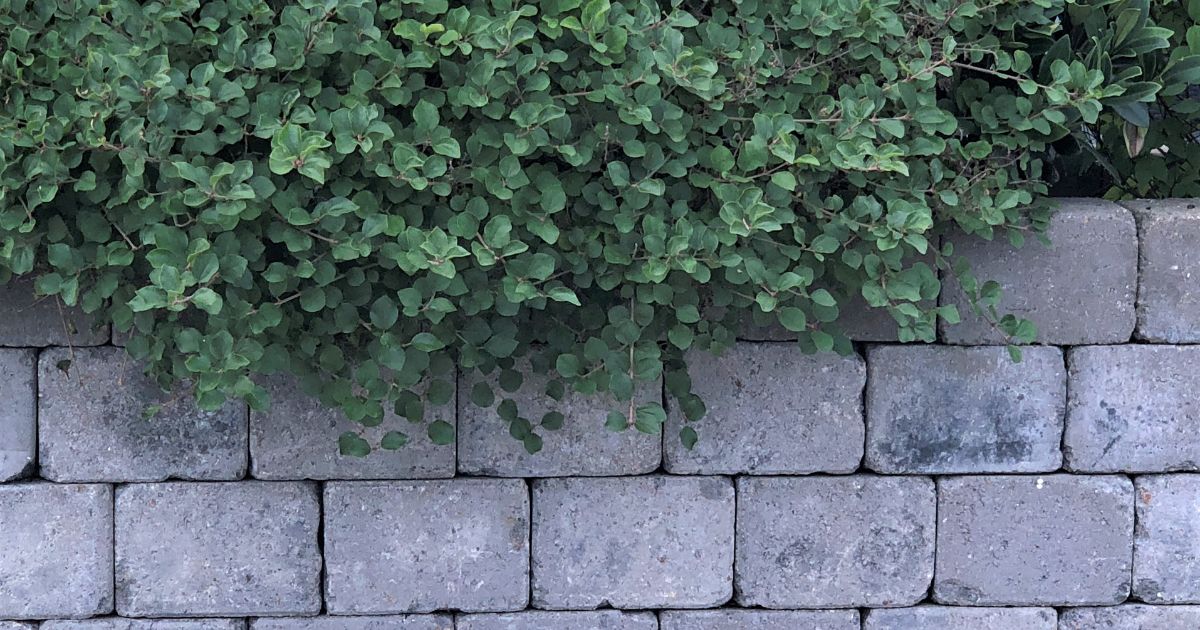
Interlocking Concrete Block Projects Ideas for Canadian Homes
Aside from heavy-duty use, concrete interlocking blocks are a landscape designer’s dream. Their clean lines, customizable finishes, and modular design make them perfect for:
Choosing the Right Block for Your Project
Before buying, consider:
- Size & shape – match the load requirements and design
- Surface finish – smooth, textured, or decorative
- Color options – to suit your aesthetic goals
- Budget & timeline – precast units can speed up delivery and build time
For structural jobs, solid interlocking units are your best bet. For landscaping, go with lighter, decorative blocks that enhance visual appeal.
Patios and Outdoor Living Spaces: Create a stylish and durable patio area using interlocking concrete blocks. This can serve as a foundation for outdoor furniture, fire pits, or even an outdoor kitchen.
Garden Retaining Walls: Use interlocking blocks to build retaining walls that can help manage slopes in your garden, create raised flower beds, or add dimension to your landscaping.
Driveways and Walkways: Upgrade your driveway or walkways with interlocking concrete blocks for a clean, modern look that’s also functional and long-lasting.
Steps and Staircases: Design and build steps or staircases leading to different levels of your yard or home entrance using interlocking blocks for a cohesive look.
Water Features: Construct water features such as fountains, ponds, or waterfalls. Interlocking blocks can provide a sturdy base and enhance the aesthetic appeal.
Garden Edging: Use interlocking blocks to create neat and defined edges for garden beds, pathways, or lawns, adding both function and style.
Fire Pits: Build a custom fire pit using interlocking concrete blocks, perfect for outdoor gatherings and adding warmth to your yard.
Seating Walls: Incorporate seating walls into your landscape design. These can be built around patios or fire pits for additional seating options.
Outdoor Kitchens and Bars: Design an outdoor kitchen or bar area using interlocking blocks for a unique and functional entertaining space.
Privacy Walls and Fences: Construct privacy walls or fences with interlocking blocks to create secluded areas in your yard.
Precast options come in a variety of colors and textures to match your outdoor design seamlessly.
How Professionals Build an Interlocking Concrete Block Retaining Wall
Building a strong and long-lasting retaining wall with interlocking concrete blocks requires precision, planning, and the right materials. Here’s a step-by-step look at how professional contractors typically tackle the job:
1. Site Planning and Wall Design
Pros begin by evaluating the site conditions, such as slope, drainage, and soil type. They then design the retaining wall based on its purpose—whether for landscaping, soil retention, or structural support. Wall height, block type (solid, hollow, or decorative), and reinforcement needs are also decided at this stage.
2. Excavation and Base Preparation
A level trench is dug where the wall will be placed, typically 6 to 12 inches deep, depending on the wall height. A compacted gravel base (usually 3/4″ crushed stone) is added to ensure a stable foundation.
3. First Course Installation
The first layer of interlocking concrete blocks is placed on the leveled gravel bed. This course is crucial—it must be perfectly level front to back and side to side. Professionals often use a rubber mallet and level for fine adjustments.
4. Stacking and Interlocking the Blocks
Once the first course is set, additional rows are stacked using the block’s built-in interlocking system—usually tongue-and-groove or pin-based. The blocks lock together to form a unified wall with excellent stability.
5. Backfilling and Drainage
As each course is completed, contractors add gravel backfill behind the wall to improve drainage and reduce pressure from soil and water. A perforated drain pipe is often installed along the base to direct water away from the structure.
6. Capping and Finishing Touches
Once the desired wall height is reached, a final row of cap blocks is installed using construction adhesive for a finished look. Professionals may also grade the surrounding soil, add landscaping, or seal the blocks if needed.
Professionals follow this process to ensure every interlocking concrete block retaining wall is both durable and attractive—able to withstand harsh weather and shifting soil, especially in climates like Canada’s.
Standard Interlocking Concrete Block Sizes:
1. Large Industrial/Construction-Grade Blocks:
- Size: ~48″ L x 24″ H x 24″ D (1220 mm x 610 mm x 610 mm)
- Weight: ~1,800 to 2,500 lbs (800 to 1,135 kg)
- Use: Retaining walls, material bins, barriers, heavy-duty construction
2. Medium Blocks:
- Size: ~32″ L x 16″ H x 24″ D (813 mm x 406 mm x 610 mm)
- Weight: ~1,000 to 1,200 lbs (450 to 545 kg)
- Use: Mid-scale retaining walls, landscaping projects
3. Small Landscaping Blocks (Dry Stack Type):
- Size: ~16″ L x 8″ H x 12″ D (406 mm x 203 mm x 305 mm)
- Weight: ~50 to 80 lbs (23 to 36 kg)
- Use: Garden walls, raised beds, decorative retaining walls
Some manufacturers also offer custom or half-size blocks (e.g. 24″ x 24″ x 24″) for better fitting and corner units.
Key Benefits of Using Interlocking
- Strength & Stability – Engineered for performance under pressure
- Easy Installation – No mortar needed, faster build time
- Design Flexibility – Stack, move, or reconfigure as needed
- Cost-Effective – Fewer labor hours and lower maintenance
- Eco-Friendly – Reusable and made from sustainable materials
Common Mistakes to Avoid
- Improper Site Preparation: Failing to properly prepare the site can lead to uneven surfaces and structural issues. Always ensure the ground is level and compacted before starting.
- Ignoring Drainage Needs: Overlooking drainage can cause water pooling and damage. Plan for adequate drainage systems to prevent water-related problems.
- Incorrect Block Placement: Misaligning blocks can weaken the structure. Follow manufacturer instructions carefully for proper alignment and spacing.
- Underestimating Material Needs: Not ordering enough blocks can delay the project. Calculate the required quantity accurately and consider ordering extra to account for errors or breakage.
- Skipping Maintenance: Neglecting regular maintenance can shorten the lifespan of your structure. Clean and inspect the blocks periodically to ensure longevity.
Conclusion
Concrete interlocking blocks aren’t just about building walls—they’re about building smart. Whether you’re reinforcing a slope or creating a modern outdoor feature, these products offer unmatched strength, speed, and style.